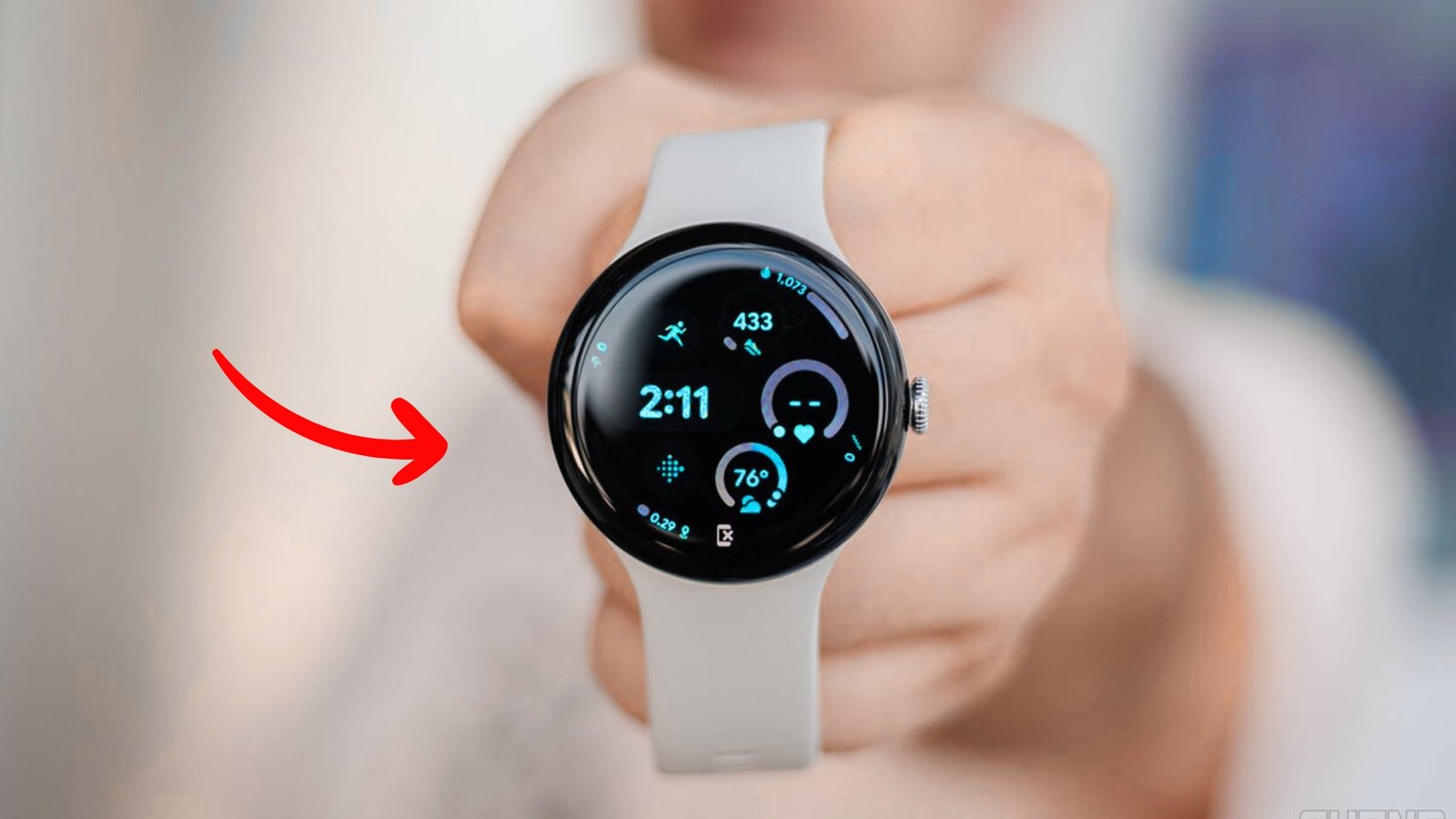
Google’s upcoming Pixel Watch 4 may have just had its biggest detail slip ahead of launch. A new leak has revealed the expected US pricing for the smartwatch, giving buyers a clear idea of how much they’ll need to spend. With multiple models and sizes, the company seems to be targeting a wide range of customers who value both design and connectivity.
The Pixel Watch 4 will come in two sizes, 41mm and 45mm, giving users more choice than before. According to the leak, the 41mm Wi-Fi variant will start at $349, while its LTE-enabled counterpart will retail for $449. The larger 45mm version is set at $399 for the Wi-Fi model and $499 for LTE, keeping pricing relatively close between the two options.
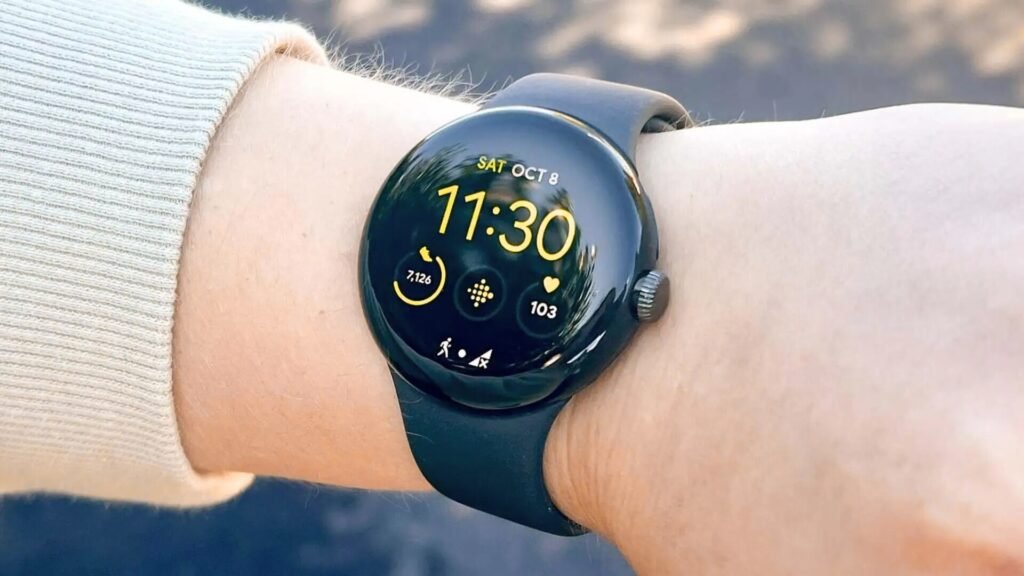
This tiered approach signals Google intent to broaden the smartwatch’s appeal. By offering size flexibility as well as the choice between Wi-Fi and LTE, the brand is giving buyers the ability to tailor their purchase based on lifestyle and budget. The pricing also places the Pixel Watch 4 in a competitive position against rivals like Apple and Samsung, both of which already dominate the smartwatch segment.
The leak provides valuable insight into how Google plans to position the device. At $349, the entry-level model is slightly below Apple’s latest standard Watch, potentially attracting first-time smartwatch buyers who may have been hesitant to spend more. Meanwhile, the $499 LTE variant sets itself as a premium choice, aligning with competitors’ top-tier offerings.

The leak also suggests Google is sticking with a strategy of keeping the Wi-Fi and LTE models separate rather than bundling connectivity by default. This move keeps initial pricing accessible but allows the company to upsell those who want the freedom of leaving their phone behind. The nearly $100 jump between Wi-Fi and LTE reinforces that distinction while keeping the choices straightforward.
From a market perspective, the Pixel Watch 4 pricing seems designed to make the product an easier sell for both Android loyalists and new adopters. With Wear OS continuing to evolve and Google leaning heavily on its ecosystem of services, the watch could act as an anchor for Pixel phone users and a bridge for those considering switching from other brands.
Although the leak focused only on pricing, the implications are significant. It indicates Google is aiming for balance rather than undercutting rivals too aggressively, suggesting confidence in hardware improvements and software integration to drive value. The company’s growing emphasis on health tracking, AI-powered features, and tighter Fitbit integration will likely play a big role in justifying the cost.
As with most leaks, nothing is official until Google confirms it. However, with pricing information now out, expectations for the watch’s performance, battery life, and feature set will only grow. Buyers will want to see if the Pixel Watch 4 delivers enough to match the asking price, especially in a market where design, longevity, and ecosystem support are deciding factors.