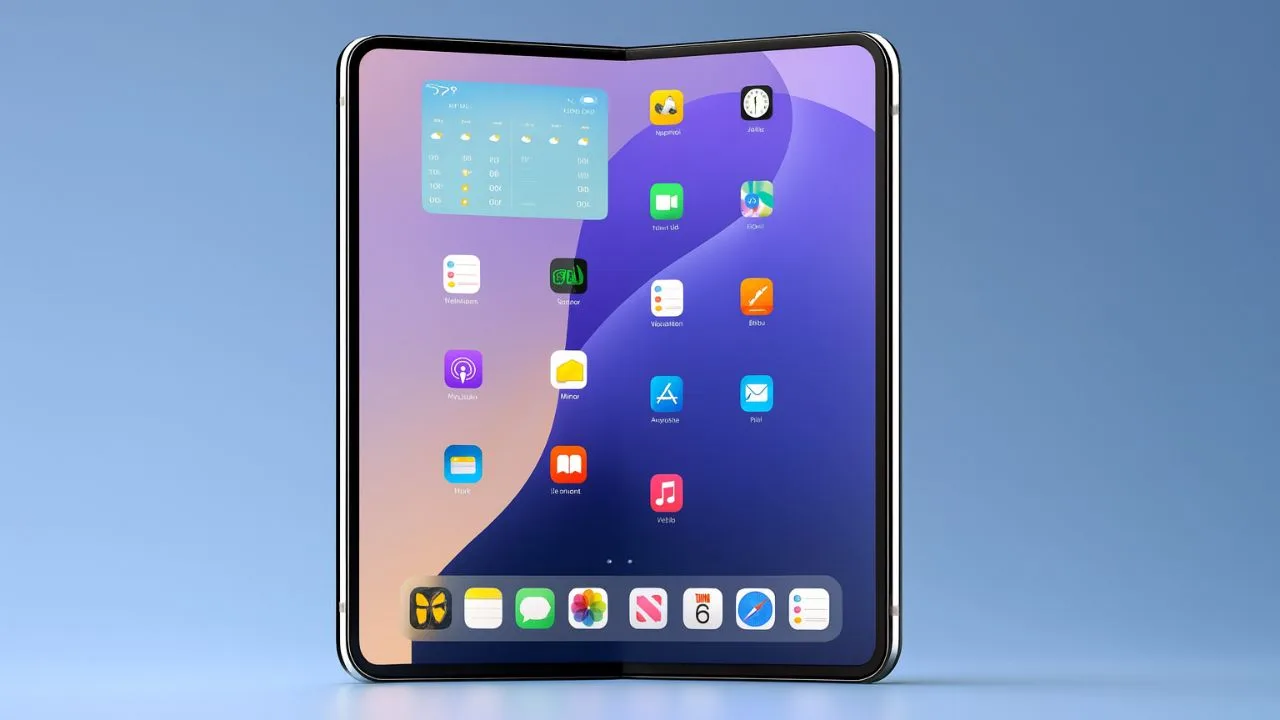
A new SellCell survey suggests that 30.3 % of iPhone users may switch to foldable models like the Galaxy Z Fold 7 or Google’s Pixel 10 Pro Fold if Apple delays its own foldable until 2026.
Apple may face a significant shake‑up in loyalty from its iPhone user base amid growing interest in foldable smartphones.
Rising Threat from Foldables
A recent survey from SellCell, which polled 2,000 U.S. iPhone owners, reveals that if Apple delays launching a foldable iPhone until 2026, 20.1 percent of users would consider switching to Samsung’s Galaxy Z Fold or Flip models, while 10.2 percent would opt for Google’s foldable devices. That totals a potential 30.3 percent of current users at risk of migrating to Android alternatives.
Market Momentum Shifts
This risk aligns with observable market trends. In the second quarter of 2025, Apple’s share of the U.S. smartphone market fell from 56 percent to 49 percent, according to Canalys. Meanwhile, Samsung surged from 23 percent to 31 percent a change analysts largely attribute to strong demand for its foldable Galaxy Z Fold 7 and Z Flip 7, alongside its strategy of offering a smart volume of devices across price tiers.
Google’s Foldable Play
Google also made its case for foldables at its recent “Made by Google” event. The Pixel 10 Pro Fold drew attention not only for foldable hardware but also its integration with MagSafe accessories and Gemini-powered AI features. Although not the centerpiece of the launch, the foldable hinted at the rising importance of flexible designs in the smartphone market.
Implications for Apple
Less than a week before Apple’s September 9 iPhone 17 event, the SellCell findings serve as a concerning prelude. While 68.3 percent of those surveyed still plan to upgrade to an iPhone 17 model an increase from the previous year over a third of respondents (30.3 percent) are considering a switch to foldables, unless Apple acts.
What It Means Going Forward
Apple appears to be betting on the slim, ultra‑thin iPhone 17 Air and new design features to maintain interest. But analysts note that this may not be enough to reverse the decline in market share, especially as foldable form factors gain traction with improved designs and functionality.
If the trend continues, Apple could see a meaningful erosion in its user retention potentially losing nearly one out of every three iPhone users to Android foldables.