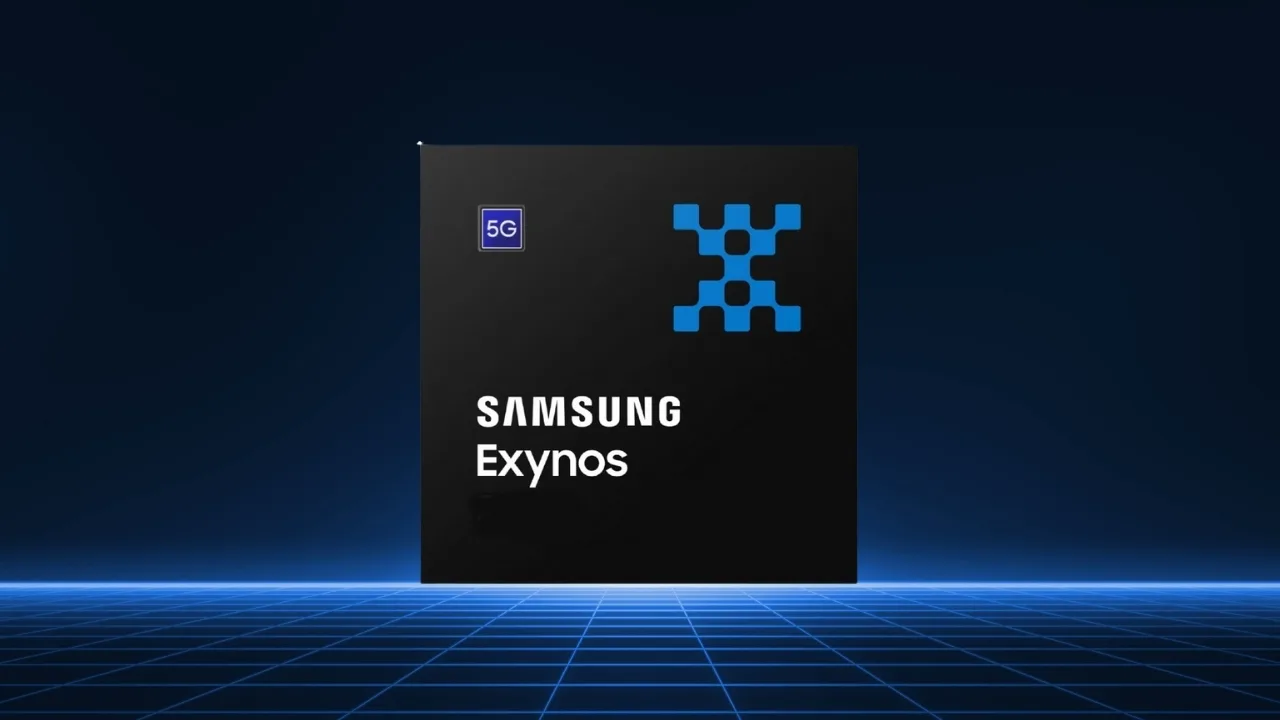
Samsung is preparing to revive its own chipset presence in high‑end phones with the Exynos 2600, a 2 nm design that may begin full‑scale production soon and could power next year’s Galaxy S26 models.
Reports indicate that Samsung has overcome the early manufacturing hurdles that affected the 2 nm fabrication of the Exynos 2600. The company has now advanced past initial low yields and appears ready for broader production.
Early in 2025, Samsung achieved around 30 percent yield during trial runs of the Exynos 2600. That marked a meaningful leap, though it remained behind competitors’ results.
By mid‑year, manufacturing teams had pushed yield targets above 50 percent while avoiding any performance loss, signaling continued progress.
Now, Samsung appears poised to launch full‑scale chip production. Sources say the production system is preparing for scale, suggesting the initial yield issues have been substantially reduced.

Some earlier commentary remains cautious. One analysis noted that Samsung’s foundry still faces challenges in stabilizing the 2 nm process and has not confirmed readiness for full deployment.
Samsung plans to deploy the Exynos 2600 in Galaxy S26 and S26 Plus models in selected markets like Europe, while reserving Snapdragon chips for the Ultra variant globally. That strategy reflects continued reliance on both internal and external silicon.
The outcome of this rollout will be critical. Success could restore trust in Samsung’s chip division and reduce reliance on outside suppliers. Failure could further damage its semiconductor ambitions.
Samsung push comes amid a larger industry shift toward reducing dependence on Qualcomm. Like Apple move to its own modems, Samsung continues pursuing in‑house solutions to curb costs and control performance.

For the Galaxy S26, dual processor paths may emerge Exynos versions where viable, Snapdragon elsewhere maintaining efficiency while balancing technical and regional considerations.