Apple’s iPhone has always carried a reputation for premium pricing, and a new report highlights how those costs have shifted since the first model launched in 2007. The trend shows how Apple positioned its flagship as a luxury device.
The very first iPhone carried a $499 starting price, which was considered high at the time. Within a year, the base price jumped to $599, signaling Apple’s confidence in demand and the growing influence of smartphones on consumer habits.
From 2011 through 2016, the entry point for a flagship iPhone settled at $649. This six-year period gave buyers a sense of stability, even as Apple introduced larger screens, faster processors, and improved build materials.
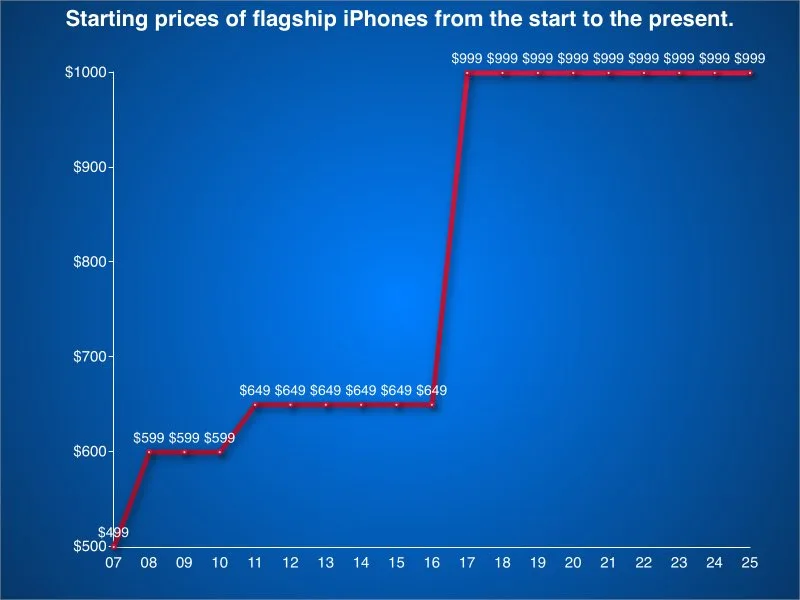
Things changed dramatically in 2017 when Apple launched the iPhone X. The company raised the starting cost to $999, reflecting its push toward advanced features like OLED displays and Face ID. That price has held steady for flagship models since.
The chart makes it clear that the iPhone has nearly doubled in price since its original release. Apple’s decision to maintain $999 as the entry figure for several years shows its confidence that buyers view the device as worth the premium.
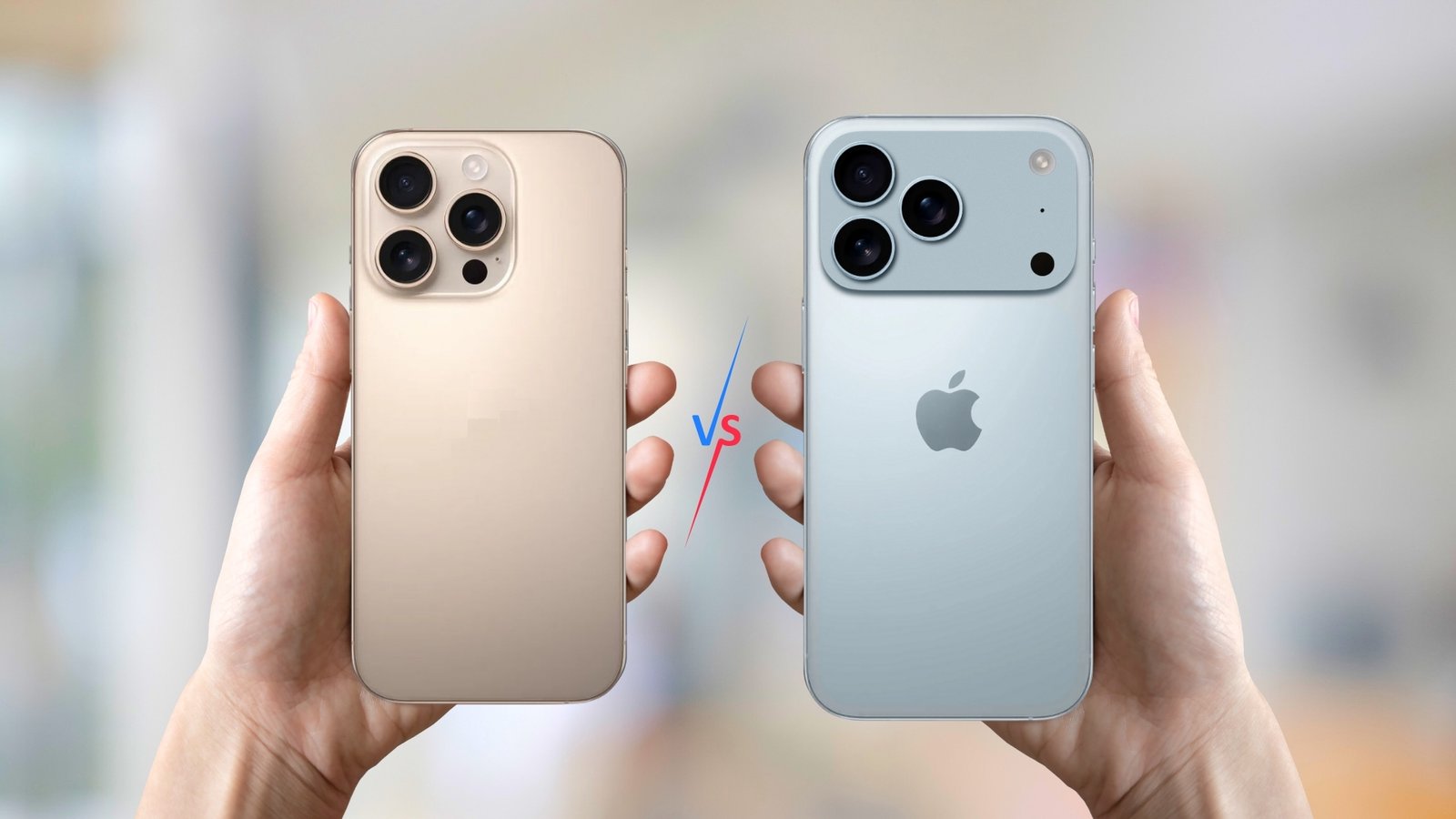
In the United States, Apple continues to justify the price with yearly improvements in performance, design refinements, and integration with its broader ecosystem of products and services. Competitors may offer cheaper alternatives, but Apple’s consistency keeps the iPhone in a class of its own.
With the iPhone 16 series, the flagship once again starts at $999. After almost a decade at this price point, Apple’s strategy seems to focus less on lowering costs and more on reinforcing its position as a high-end choice.