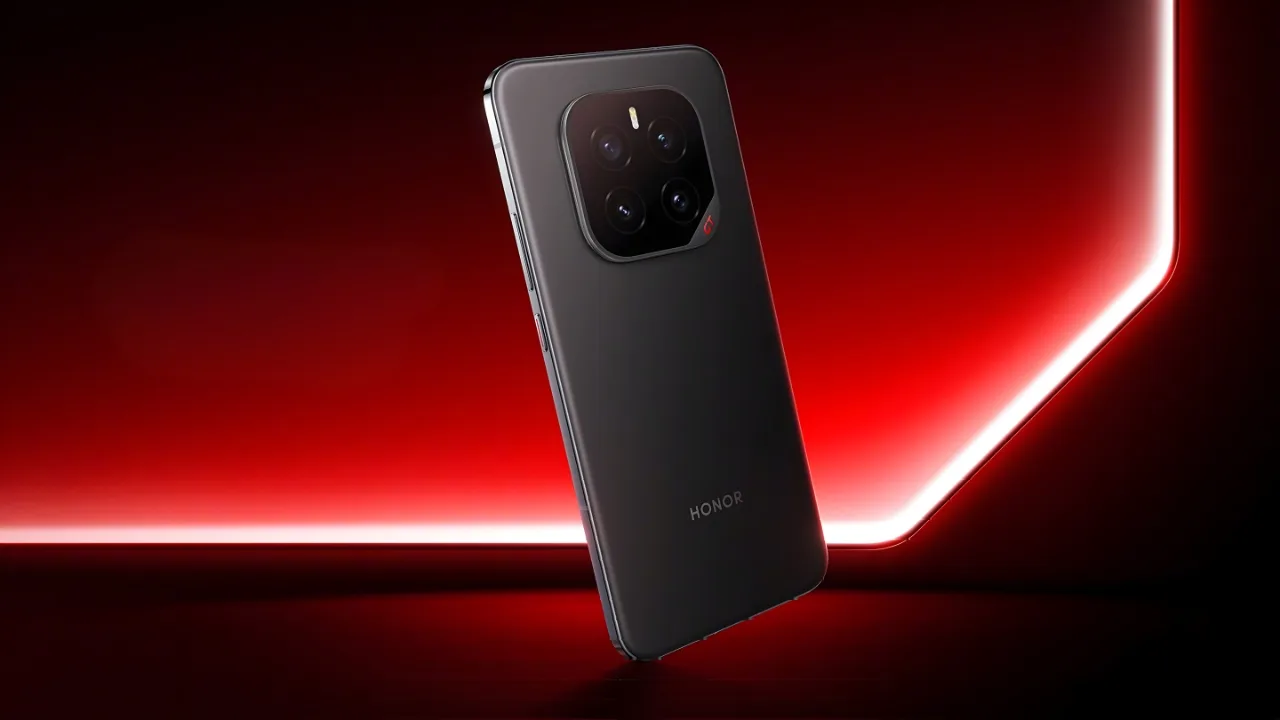
OnePlus 15: The OnePlus 15 debuts a 165Hz gaming ecosystem, Snapdragon 8 Elite Gen 5 power, and ultra-thin bezels delivering speed so stable it feels like a cheat code.
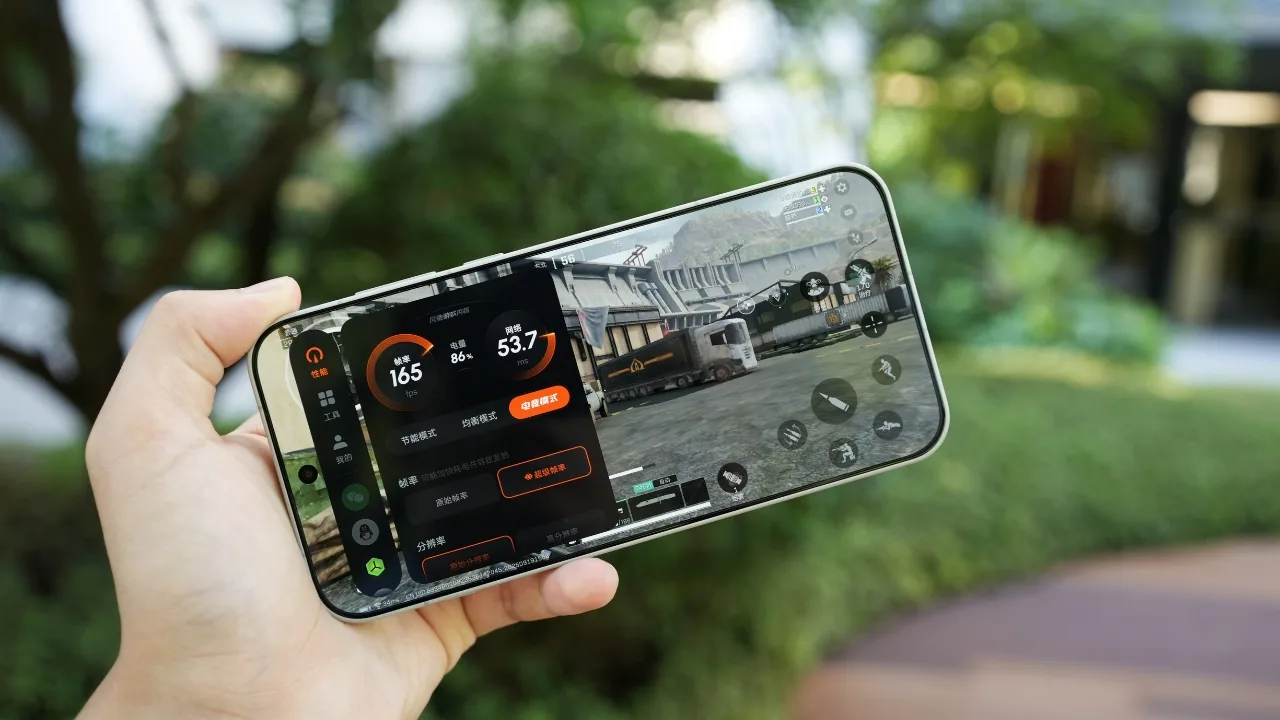
If you have ever blamed your phone for losing a close game, the OnePlus 15 might be the fix you were waiting for. Announced at the OnePlus Game Conference 2025 in Beijing, it brings the new Fengchi (Windspeed) Gaming Core and Qualcomm’s Snapdragon 8 Elite Gen 5. With a blazing 165Hz refresh rate and rock-solid stability, this phone is built to make gaming feel smoother, faster, and almost unfair.
A new era of 165Hz mobile gaming
Li Jie, President of OnePlus China, announced that OnePlus will partner with leading studios to bring 165Hz native support to hit titles including Delta Operation, League of Legends Mobile, Honor of Kings, and Peace Elite. Beyond FPS shooters, the ecosystem will cover six major genres: FPS, MOBA, fighting, racing, music, and strategy.
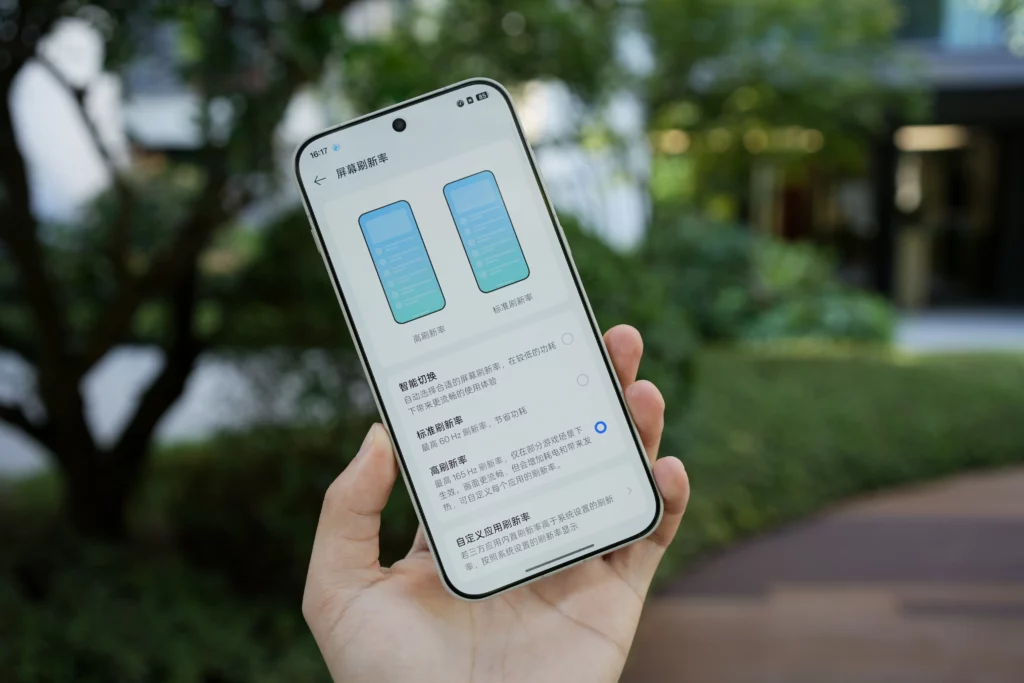
According to OnePlus, the Windspeed Gaming Core improves chip scheduling efficiency by 29.8%, lowers processor load by 15.6%, and cuts total device power use by 11.7%. In practice, that means smoother frame delivery with less heat and longer gaming sessions. Compared to 120 FPS, the jump to 165 FPS delivers 45 extra frames per second, a 27% boost in display speed, and up to 10ms lower latency. In competitive shooters, that advantage translates into spotting enemies earlier, tighter aim, and more precise recoil control. As Xu Guihong, technical lead for Delta Operation, put it: the 165 FPS era offers “clearer motion, less ghosting, and smoother gameplay.”
Real-world testing proves the numbers
The performance claims are not just theory. In public demos, Delta Operation and CrossFire both averaged 164.9 FPS, with 1% lows above 156 FPS, while drawing under 5W of power. This stability means the 165Hz panel does not just look smoother than 120Hz, it actively boosts responsiveness. Testers noted that in tap-to-fire scenarios, the OnePlus 15 fired half a magazine more bullets than typical devices in the same time window — a true “hardware cheat” for FPS fans.
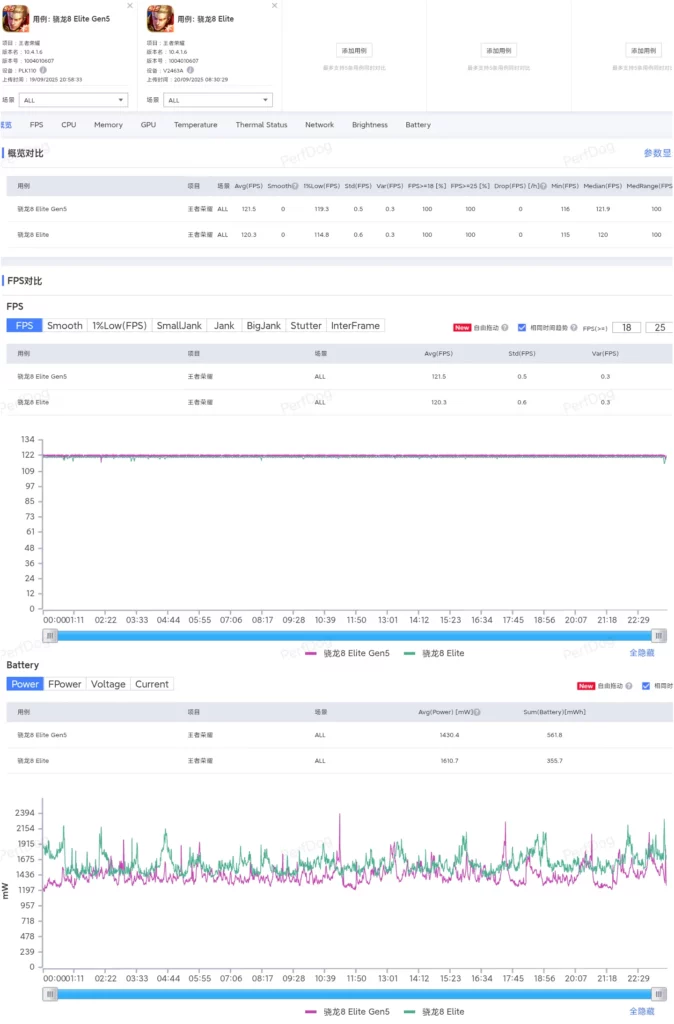
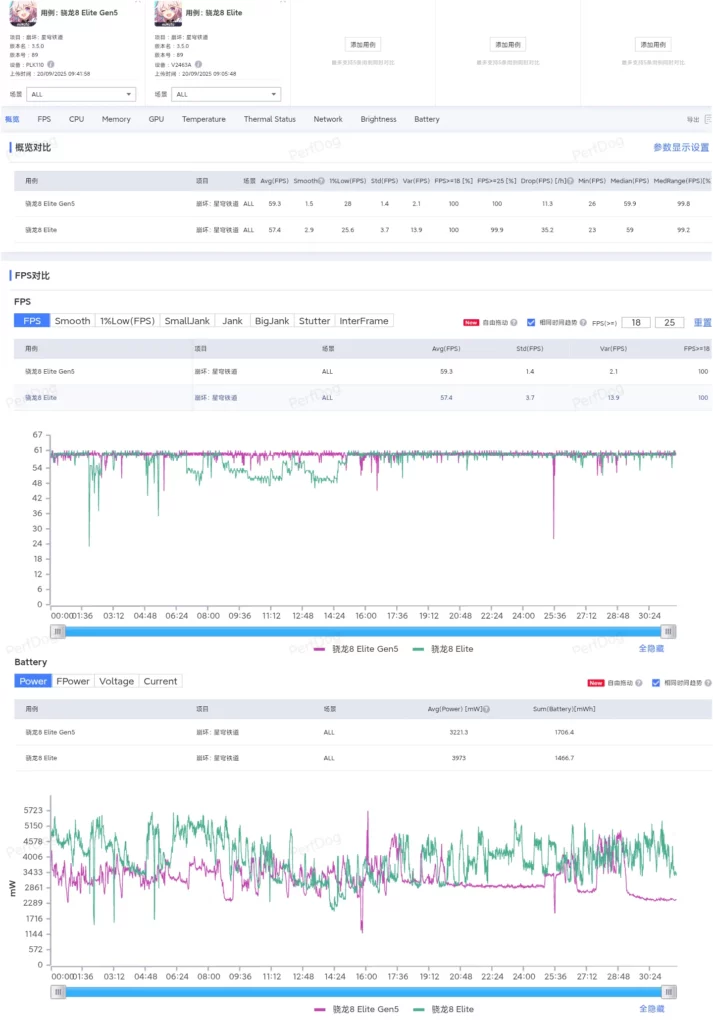
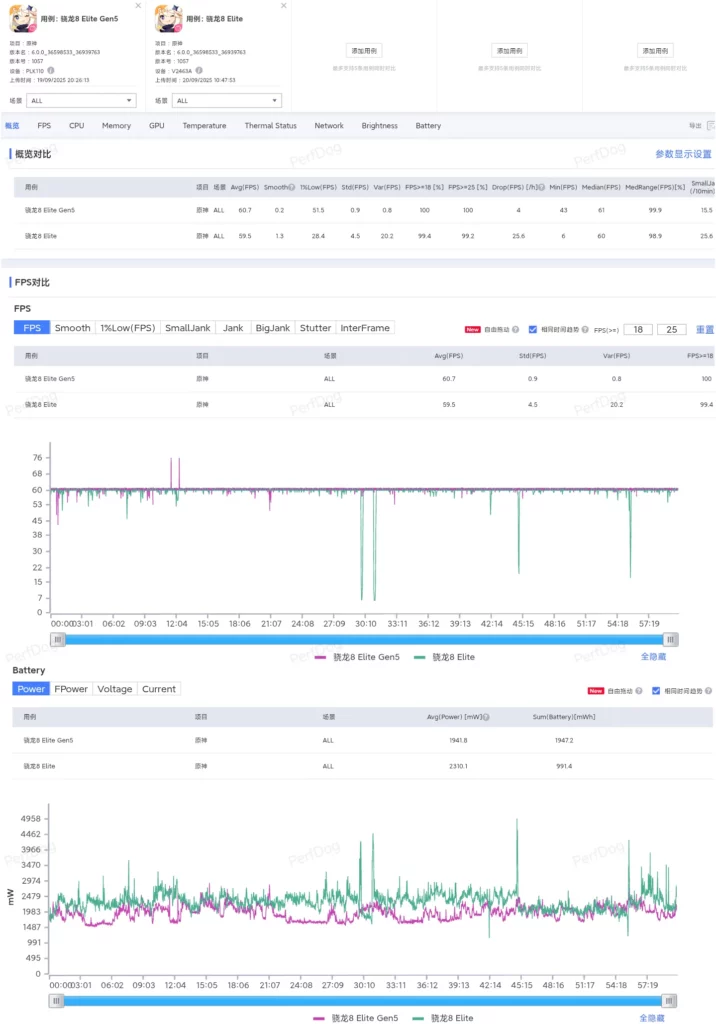
Heavy titles also ran impressively well. Collapse of Iron averaged 59.3 FPS at 6.44W, outperforming Snapdragon 8E phones that drew nearly 8W for slightly weaker results. In Genshin Impact at full settings, the OnePlus 15 sustained 60 FPS for an hour at just 3.88W, versus 4.62W on other flagships.
The most eye-catching demo was Genshin Impact at 1.5K resolution with 120 FPS using near-zero-lag GPU frame interpolation. Even without external cooling, the phone held 120 FPS average with lows at 98.5 FPS for over 30 minutes, while consuming only 6.2W. That level of stability has typically required gaming phones with active cooling not a slim daily driver.

A sleek design for everyday use
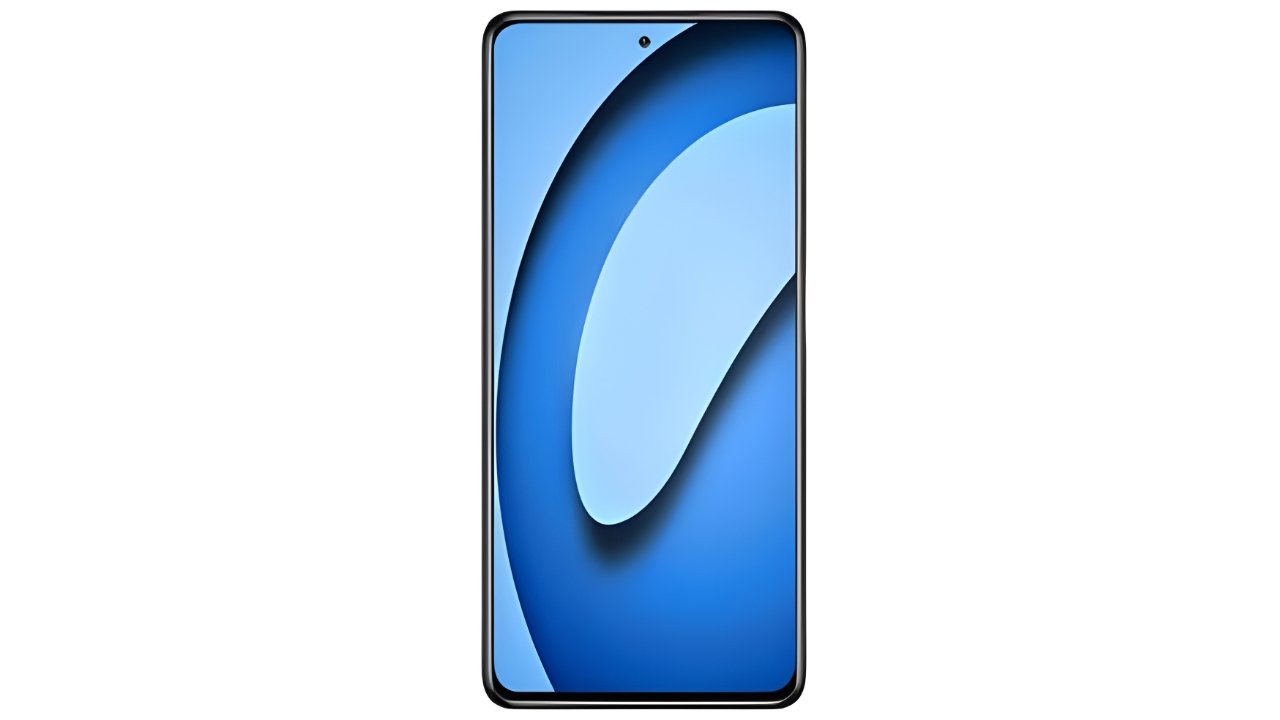
Gaming is only part of the story. Li Jie also showcased the front design of the OnePlus 15, featuring an ultra-flat display with uniform 1.15mm bezels on all four sides, no large chin, and large curved corners for improved ergonomics. Paired with ColorOS 16 optimized for 165Hz, everyday navigation should feel as fluid as the gaming experience.
Looking ahead to October
Yao Yifei, Qualcomm China’s marketing lead, reinforced that the Snapdragon 8 Elite Gen 5 was built to support this new 165Hz ecosystem, and the company will continue working with OnePlus to expand its reach. With the official launch scheduled for October, the OnePlus 15 is positioned not just as another flagship, but as the phone that could eliminate “device disadvantage” in mobile gaming once and for all.