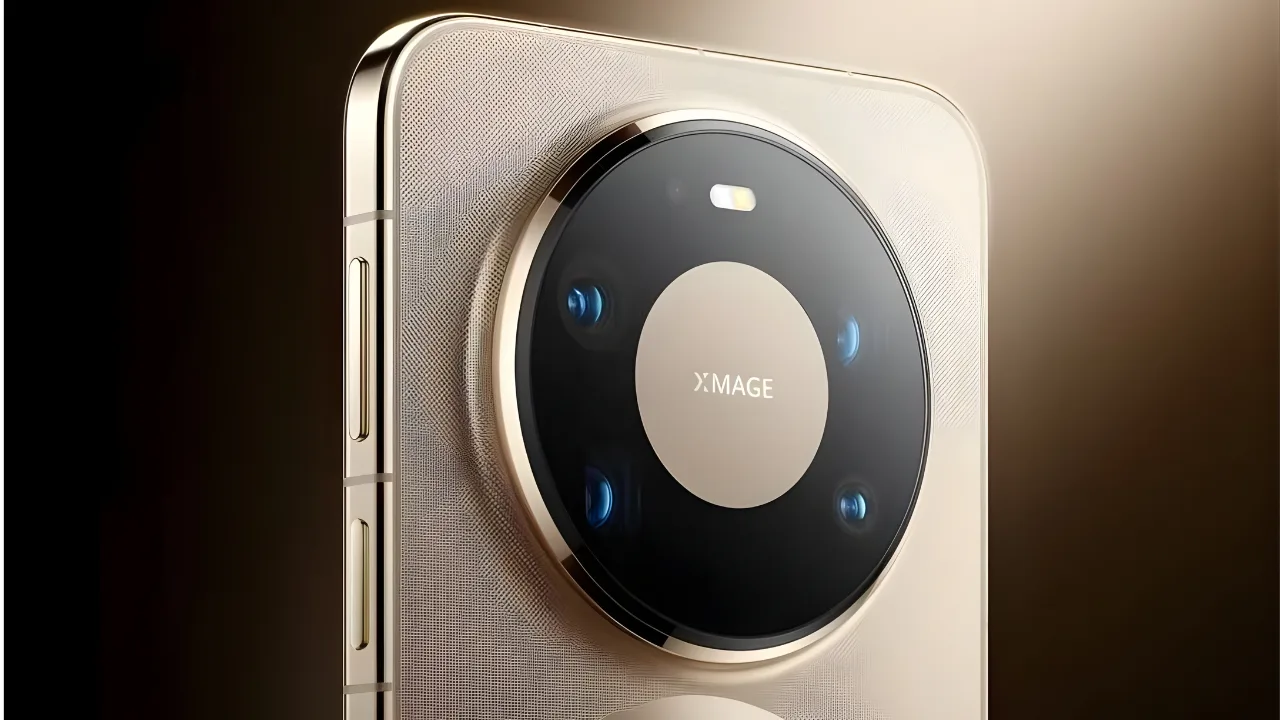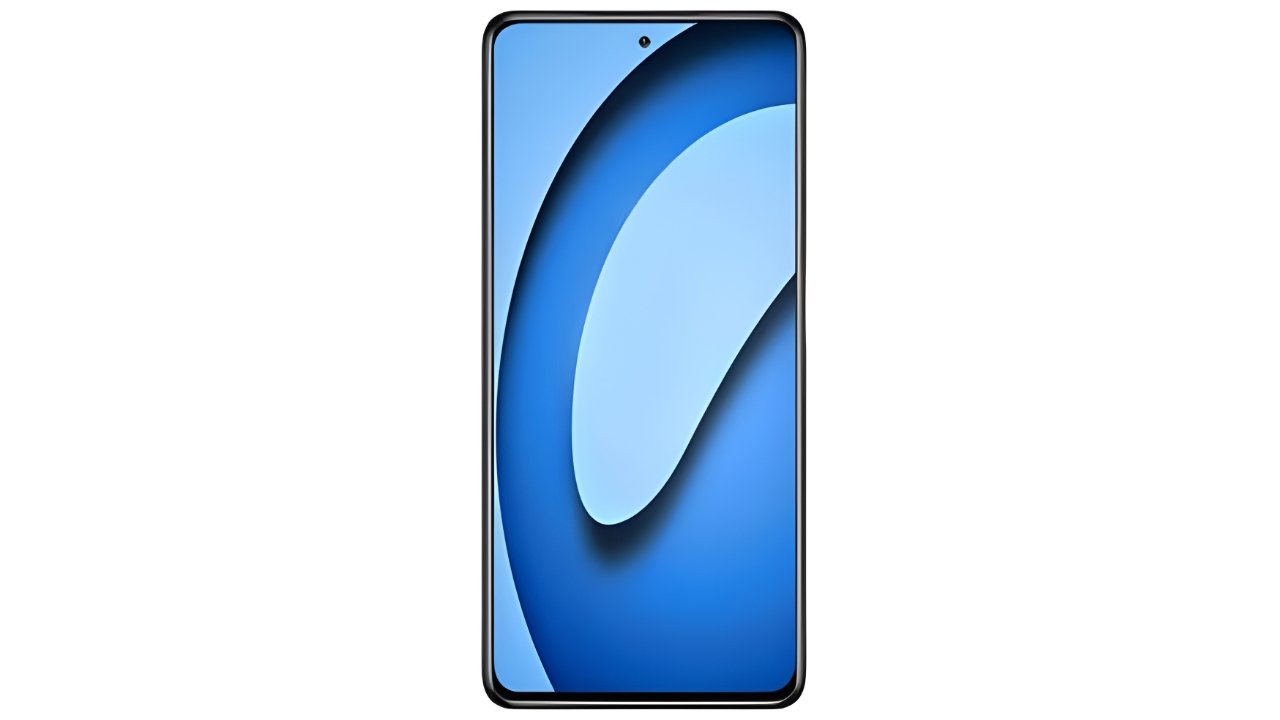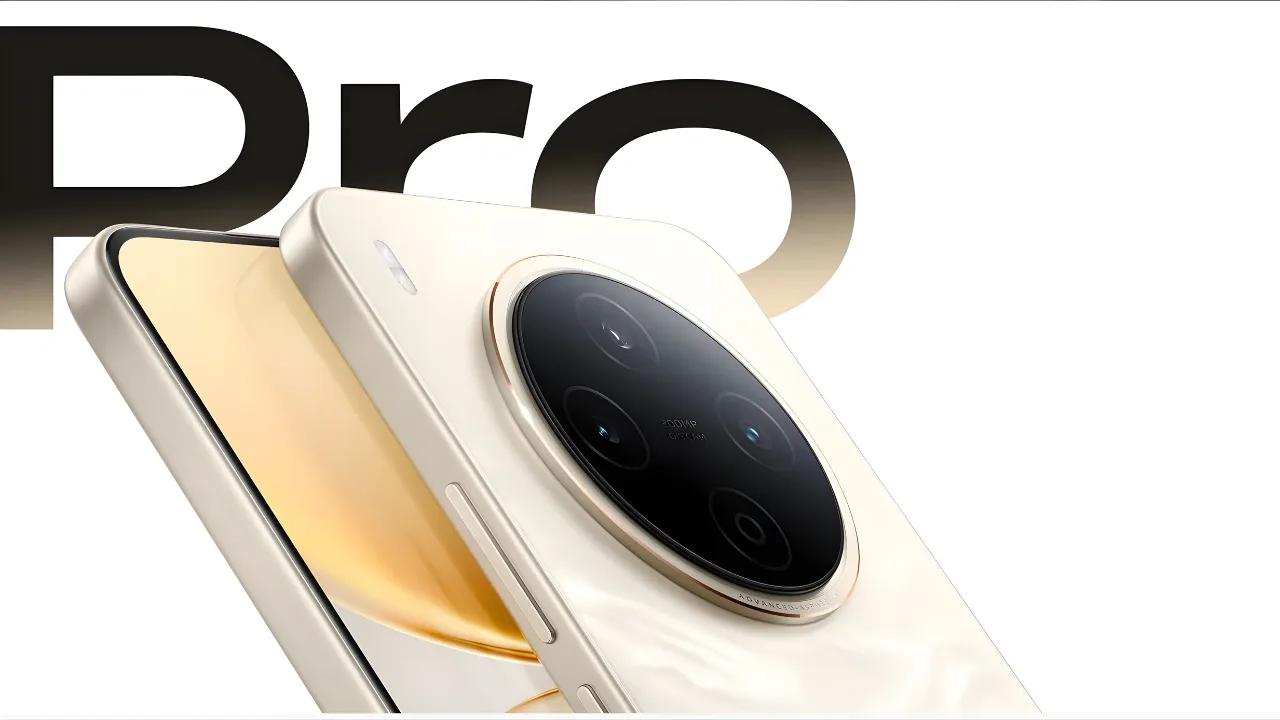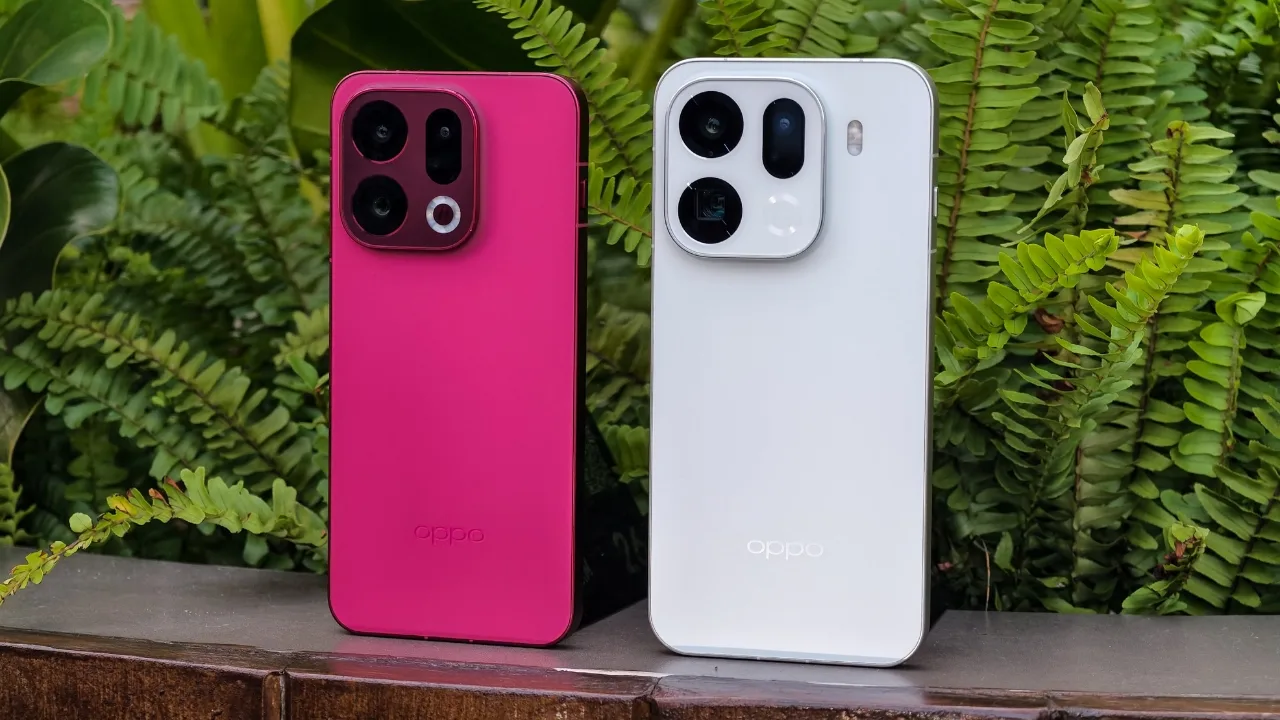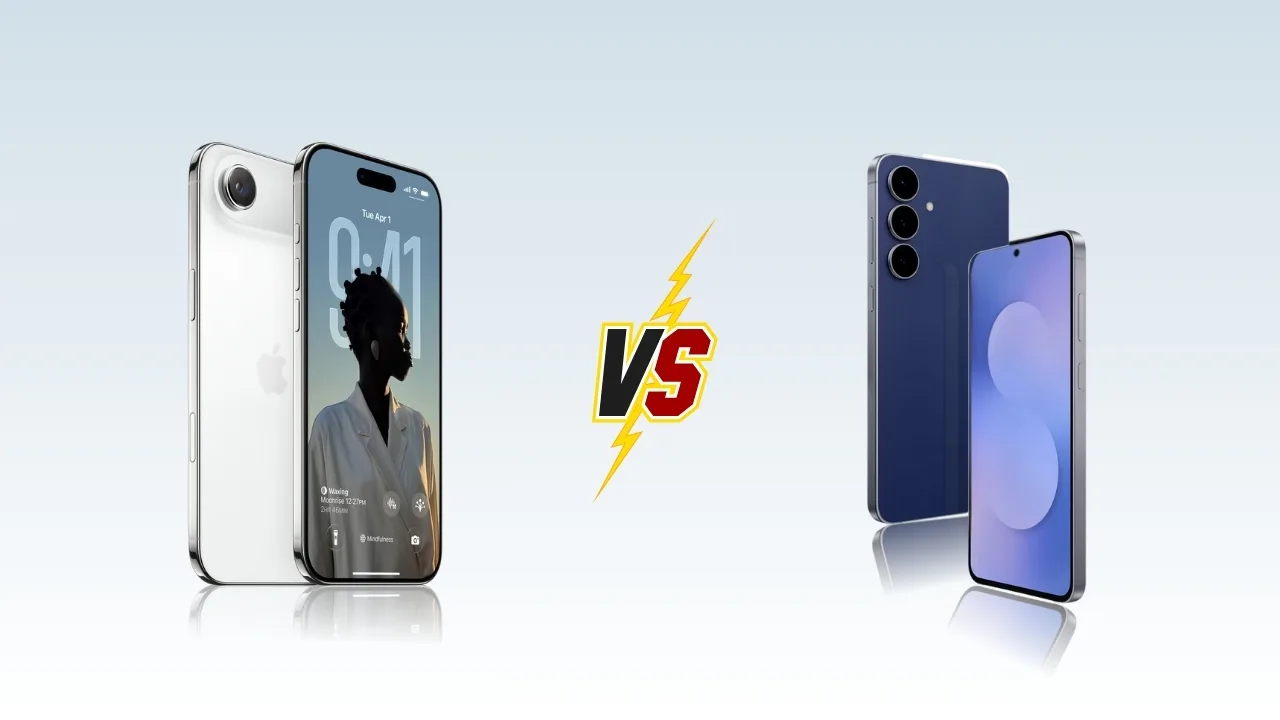
Apple Air vs Samsung Galaxy S25 FE: Apple Air goes slim and premium with titanium and Apple Intelligence, while Galaxy S25 FE offers triple cameras, bigger battery, and long updates at a lower price. Compare them here.
Apple and Samsung just dropped their first big phones of 2025, and they could not be more different. The Apple Air is all about being thin, light, and premium with titanium build, smart AI tools, and better cameras. The Galaxy S25 FE takes a more practical route with a bigger battery, three cameras, and years of updates all for a lower price. Let’s see how they stack up.
Design that speaks two different languages
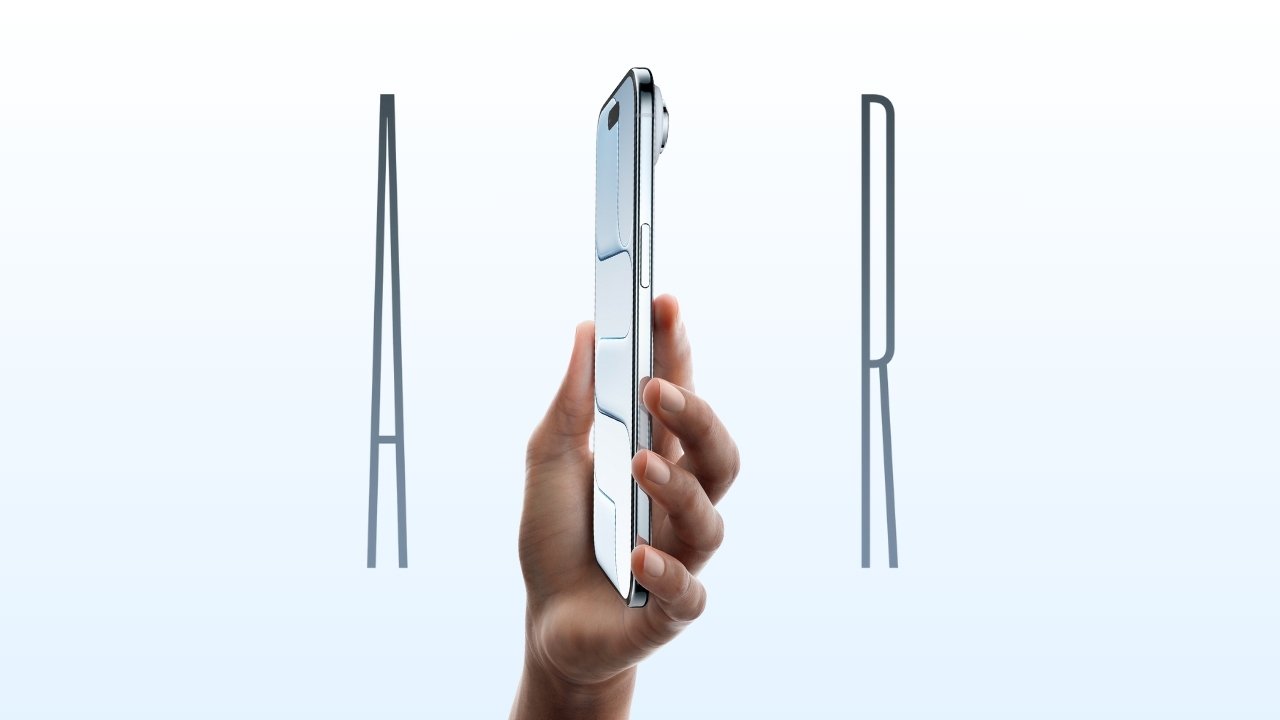
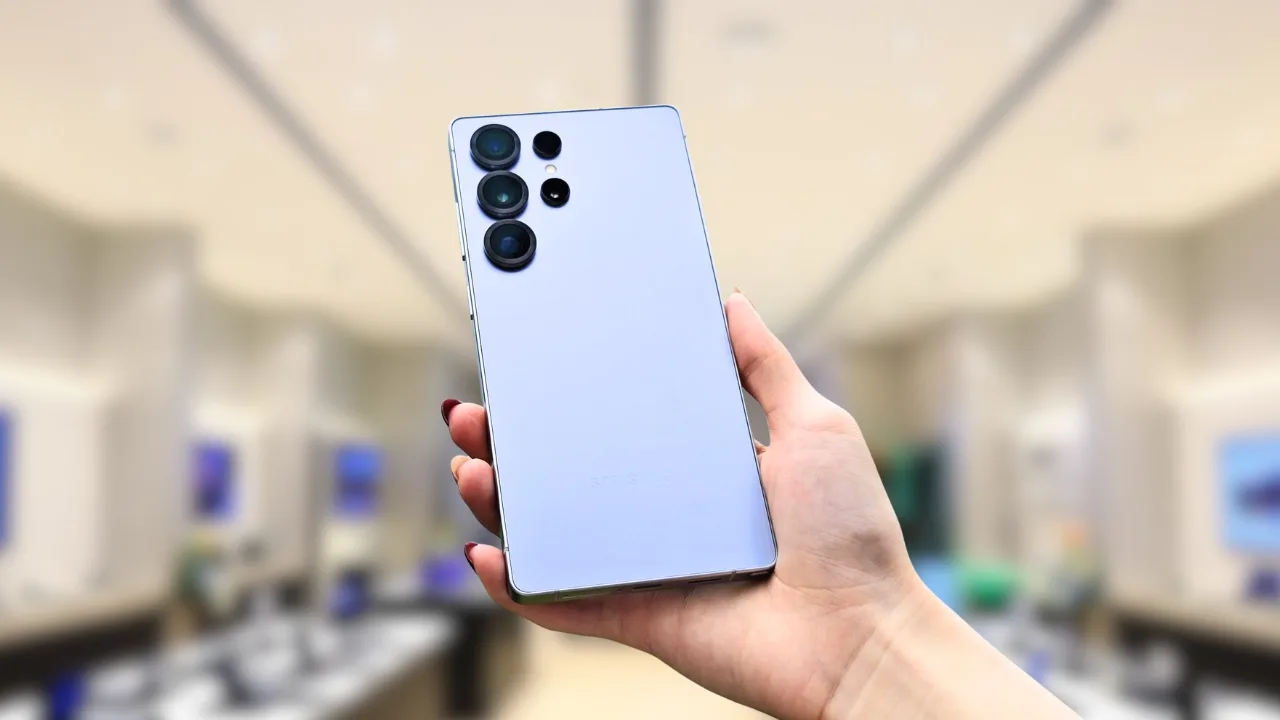
The Apple Air is one of the thinnest and lightest premium phones on the market. It measures just 5.64 mm thick, weighs 165 g, and is built with Grade-5 titanium. For protection, Apple includes Ceramic Shield 2 on the front and Ceramic Shield on the back. The phone is IP68 certified, meaning it can survive up to 6 meters underwater for 30 minutes. Color options include Sky Blue, Light Gold, Cloud White, and Space Black.
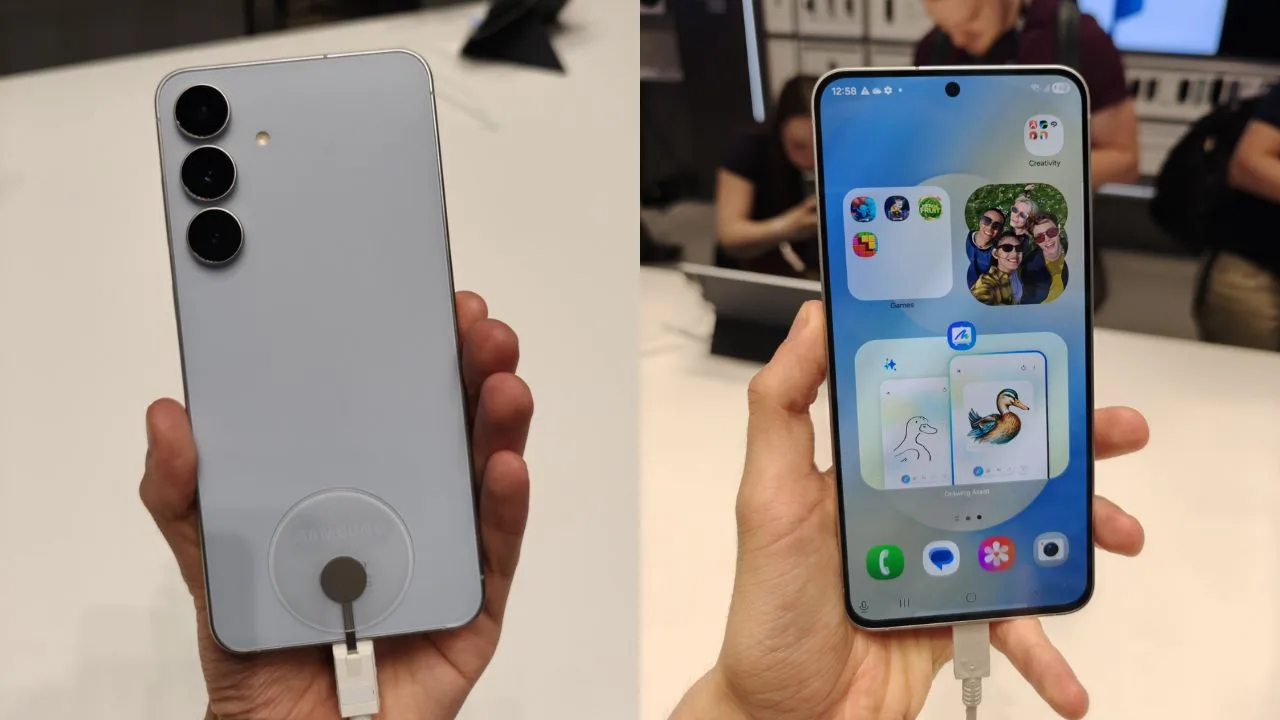
Samsung’s Galaxy S25 FE is slightly bulkier but feels sturdier in hand. It measures 161.3 × 76.6 × 7.4 mm, weighs 190 g, and uses an Armor Aluminum frame with Gorilla Glass Victus+ on both sides. It also carries the same IP68 dust and water resistance. Buyers can pick from Navy, Jetblack, Icyblue, and White finishes.
Screens built for entertainment
Apple equips the Air with a 6.5-inch OLED display offering a 2736 × 1260 resolution (460 ppi). It supports ProMotion 120 Hz refresh, Always-On Display, and Apple’s signature Dynamic Island. Brightness is excellent with 3,000 nits peak outdoors and 1,600 nits for HDR, and there is an anti-reflective coating for improved visibility in sunlight.
The Galaxy S25 FE goes bigger with a 6.7-inch Dynamic AMOLED 2X panel at FHD+ (1080 × 2340) resolution. It runs at 120 Hz with steps at 60 or 120 Hz and includes Vision Booster for better outdoor brightness. The display area measures 17.11 cm diagonally (full rectangle) or 16.64 cm with rounded corners and supports 16M colors.
Performance and Hardware
The Apple Air is powered by the A19 Pro chip, which includes a 6-core CPU, a 5-core GPU with hardware ray tracing, Neural Accelerators, and a 16-core Neural Engine. Apple has tightly integrated this hardware with iOS 26 and Apple Intelligence, which brings new AI-driven features.
Samsung’s Galaxy S25 FE uses the Exynos 2400, a 4 nm deca-core processor with clock speeds of 3.2 GHz, 2.9 GHz, 2.6 GHz, and 1.95 GHz. It also supports hardware ray tracing and is equipped with an enlarged vapor chamber for better cooling during heavy use. Storage options include 128 GB, 256 GB, and 512 GB, paired with 8 GB of RAM. A listed model features 8 GB + 512 GB, with 483.7 GB available after system use.
Cameras made for two types of users
Apple has kept things simple with a 48 MP Fusion Main camera (26 mm, f/1.6) that features sensor-shift OIS and 100% Focus Pixels. It also offers an optical-quality 2× zoom (52 mm) using in-sensor crop. Video performance is strong with 4K60 Dolby Vision HDR recording, along with a new Clean Up AI tool for automatic enhancements. On the front, there is an 18 MP Center Stage camera with auto-framing, zoom and rotation support, plus 4K60 Dolby Vision, Dual Capture, and ultra-stabilized video.
Samsung takes a different approach with a triple rear camera setup: a 50 MP main sensor (f/1.8, OIS, 84° FOV), a 12 MP ultrawide (123° FOV, f/2.2), and an 8 MP telephoto (3× optical zoom, f/2.4, OIS, 32° FOV). The system also supports 2× optical-quality zoom via Adaptive Pixel and digital zoom up to 30×. Video recording goes up to 8K at 30 fps, with slow motion options at 240 fps in FHD and 120 fps in FHD and UHD. The 12 MP front camera (f/2.2, 80°) does not include autofocus.
Battery life and charging speeds
The Apple Air delivers up to 27 hours of video playback. Charging options include MagSafe 20 W, Qi2 20 W, and USB-C (USB 2), with 50% charge in about 30 minutes.
Samsung’s Galaxy S25 FE has a 4,900 mAh battery rated for 28 hours of video playback. It supports 45 W wired charging (≈65% in 30 minutes), 15 W wireless charging, and Wireless PowerShare for reverse charging other devices.
Software and updates you can count on
The Apple Air comes with iOS 26 and Apple Intelligence in beta form, though its features will vary depending on region and language support.
The Galaxy S25 FE launches with Android 16 and One UI 8, and Samsung promises 7 years of OS upgrades and 7 years of security patches one of the longest support policies available on Android.
Connectivity options
Apple Air supports 5G (C1X), Wi-Fi 7 (N1), Bluetooth 6, UWB (2nd gen), and Thread protocol. It is dual eSIM only, with no physical SIM slot. For location, it uses precision dual-frequency GPS (GPS, GLONASS, Galileo, QZSS, BeiDou, NavIC), plus a digital compass, Wi-Fi, cellular positioning, and iBeacon microlocation.
The Galaxy S25 FE supports dual SIM setups (nano SIM and eSIM, including dual eSIM). It works with 2G, 3G, 4G LTE, and 5G Sub-6 bands. Connectivity includes USB-C 3.2 Gen 1, Bluetooth 5.4, Wi-Fi 6E with MIMO, NFC, and a wide suite of GPS standards (GPS, Glonass, Beidou, Galileo, NavIC, QZSS).
Pricing and Availability
The Apple Air is available for pre-order now and will release on September 19. Prices are:
- 256 GB: $999
- 512 GB: $1,199
- 1 TB: $1,399
Samsung’s Galaxy S25 FE starts at $649.99 unlocked in the US, with options for 128 GB, 256 GB, and 512 GB depending on the market.
Which one should you buy?
The Apple Air is the better pick if you want an ultra-thin titanium phone with a 48 MP main camera, polished 4K Dolby Vision video, and the new Apple Intelligence features inside iOS 26. It fits perfectly for Apple users who want a premium device and do not mind paying extra, though it is eSIM only.
The Galaxy S25 FE is the smarter buy if you want triple cameras with real 3× optical zoom, a larger battery with faster charging, and seven years of software updates. At $649.99, it delivers premium features without the premium Apple price.
In short, Apple offers finesse and ecosystem luxury, while Samsung delivers balance, battery, and long-term value. Both are powerful, but your choice depends on whether you want style and AI at a higher cost or practical flagship features for much less.
Apple Air vs Samsung Galaxy S25 FE — Quick Comparison
Here is the comparison between Apple Air vs Samsung Galaxy S25 FE:
| Item | Apple Air | Samsung Galaxy S25 FE |
|---|---|---|
| Colors | Space Black, Cloud White, Light Gold, Sky Blue | Navy, Jetblack, Icyblue, White |
| Materials | Titanium; Ceramic Shield 2 (front); Ceramic Shield (back) | Armor Aluminum; Gorilla Glass Victus+ |
| Dimensions | 156.2 × 74.7 × 5.64 mm | 161.3 × 76.6 × 7.4 mm |
| Weight | 165 g | 190 g |
| Display type & size | Super Retina XDR OLED, 6.5″ (6.55″ rect.) | Dynamic AMOLED 2X, 6.7″ (17.11 cm rect.) |
| Resolution | 2736 × 1260 (460 ppi) | 1080 × 2340 (FHD+) |
| Refresh rate | ProMotion up to 120 Hz | 120 Hz (steps 60/120) |
| Peak brightness / enhancement | 3000 nits (outdoor), 1600 nits (HDR), 1000 nits (typ.) | Vision Booster |
| Display extras | Dynamic Island, Always-On, True Tone, P3, anti-reflective | |
| Chipset | A19 Pro | Exynos 2400 (4 nm) |
| CPU | 6-core (2 perf + 4 eff) | Deca-core 3.2/2.9/2.6/1.95 GHz |
| GPU / Ray tracing | 5-core GPU; HW-accelerated RT | HW ray tracing; enlarged vapor chamber |
| Memory (RAM) | 8 GB | |
| Storage options | 256 GB / 512 GB / 1 TB | 128/256/512 GB (market-dependent); example 512 GB (483.7 GB usable) |
| Price (US) | $999 / $1,199 / $1,399 | From $649.99 unlocked |
| Rear cameras | 48 MP Main (26 mm, f/1.6, OIS, 100% FP) + 12 MP 2× optical-quality (52 mm, in-sensor crop) | 50 MP (f/1.8, OIS, 84°) + 12 MP UW (f/2.2, 123°) + 8 MP 3× (f/2.4, OIS, 32°) |
| Rear zoom | 2× optical-quality (in-sensor), up to 10× digital | 3× optical, 2× optical-quality, up to 30× digital |
| Rear video max | 4K60 Dolby Vision; Action mode up to 2.8K60 DV | 8K30; slo-mo 240fps FHD / 120fps FHD & UHD |
| Front camera | 18 MP, f/1.9, AF, Center Stage | 12 MP, f/2.2, no AF |
| Front video | 4K Dolby Vision up to 60 fps | |
| Battery capacity | 4,900 mAh (typ.) | |
| Battery life (video) | Up to 27 h (up to 40 h with MagSafe battery) | Up to 28 h |
| Wired charging & port | Up to 50% in ~30 min (20W+); USB-C (USB 2, 480 Mb/s) | 45W (≈65% ~30 min); USB-C (USB 3.2 Gen 1) |
| Wireless charging | MagSafe up to 20W; Qi2 up to 20W | 15W wireless |
| SIM & connectivity extras | Dual eSIM only; Wi-Fi 7 (N1), Bluetooth 6, UWB (2nd-gen), Thread, NFC; rich 5G/LTE band set, dual-freq GNSS incl. NavIC | Dual-SIM / eSIM combos; Wi-Fi a/b/g/n/ac/ax (2.4/5/6 GHz, HE160), Bluetooth 5.4, NFC; GPS/Glonass/Beidou/Galileo/NavIC/QZSS; Wireless PowerShare |