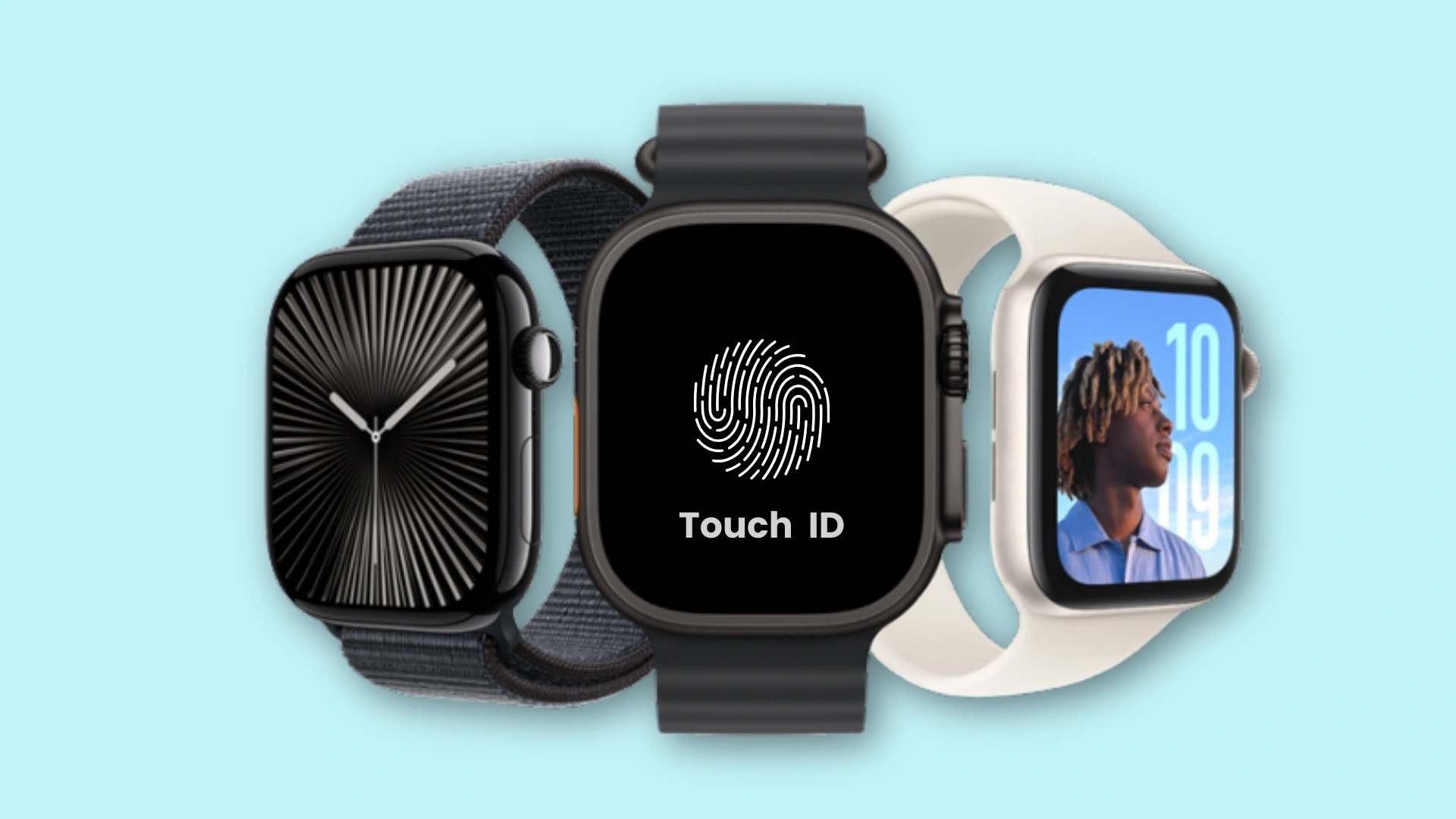
Apple Watch Touch ID: Apple is working on big changes for its future Apple Watch lineup, with leaked internal code pointing to Touch ID fingerprint unlock and a next generation chip coming in 2026.
.Apple is getting ready to launch its next lineup of smartwatches this fall, and expectations are running high. The upcoming models are set to continue Apple push in health, fitness, and connectivity, while keeping the sleek design that has made the Apple Watch one of the most popular wearables in the world.
But beyond this year updates, hints from inside Apple suggest that the company is already working on some much bigger changes for the future. Quiet developments behind the scenes point to upgrades that could reshape how people use their Apple Watch every day.
These discoveries give us a rare look into what Apple may have planned for its next generation of wearables. If the clues prove accurate, the Apple Watch could soon deliver one of the most important updates in its history.
Touch ID shows up in Apple code
According to Macworld, a project labeled “AppleMesa” was recently spotted in internal Apple software. The codename “Mesa” has long been associated with Touch ID, Apple fingerprint authentication system. This reference is tied to Apple Watch hardware scheduled for release in 2026, pointing to the feature being in development for the next major lineup.
So far, nothing similar has been found in the code for current or near term devices, including the Apple Watch Series 11, Ultra 3, and SE 3 expected next month. That makes it clear the technology is still in the prototype stage and has not entered mass production.
This discovery matches with a DigiTimes report claiming that the Apple Watch Series 12, set for 2026, will bring major design changes, hardware sensor upgrades, and integration with Apple Intelligence. DigiTimes’ predictions have not always been consistent, but Apple own code offers strong support for the possibility of a big leap forward.
How Apple might add Touch ID to the Watch
Apple has filed several patents that show different ways it could bring Touch ID to the Apple Watch. The most likely design would place the fingerprint reader inside the side button, or use an optical sensor under the screen for fingerprint recognition. One option works much like the iPad Air, with the side button doubling as a fingerprint reader. Another idea would let the watch face itself scan a fingerprint using an under display sensor. Apple has also explored putting the sensor on the back of the watch.
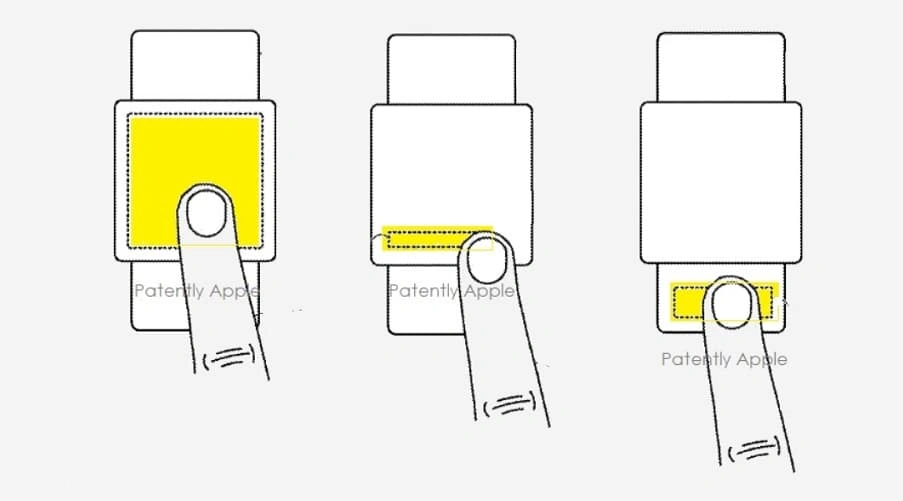
If added, Touch ID would let users unlock the watch without typing a passcode, making it faster and easier to use. It would also improve Apple Pay security and make approving purchases or downloading apps more convenient.
A new chip marks a fresh generation
Alongside Touch ID, Apple’s internal code also points to a major processor upgrade coming in 2026. The new models are grouped under what Apple calls the “Watch8” family, signaling a big leap in hardware compared to the current lineup.
The future devices believed to be the Apple Watch Series 12 and Apple Watch Ultra 4 carry the internal codes N237, N238, and N240. They are expected to run on a brand new T8320 chip, which will replace the aging T8310 architecture used in today’s watches.
The Apple Watch Series 9, Series 10, and the upcoming Series 11 all share the same Watch7 processor foundation. Moving to the Watch8 platform in 2026 would mark the first true cross-generational chip upgrade in years, promising faster performance, better efficiency, and the foundation for new features.
While the 2026 lineup may carry the biggest upgrades, Apple is still preparing useful changes for the watches launching next month. The Series 11, Ultra 3, and SE 3 are expected to continue with the current design but will reportedly feature Apple first in house Wi-Fi and Bluetooth chips. They may also introduce blood pressure monitoring for the first time, adding more health focused tools to the lineup.
These improvements will help the Apple Watch fit more closely into Apple expanding ecosystem, while also setting the stage for the larger redesign expected just one generation away.