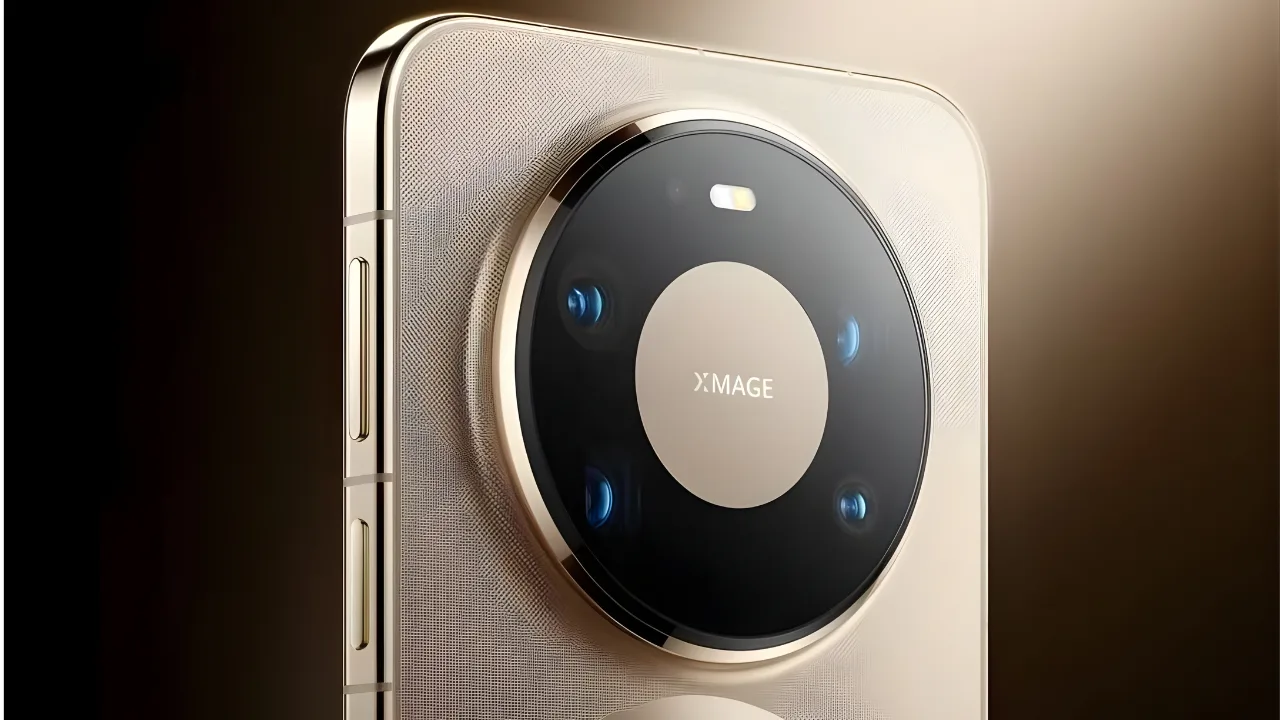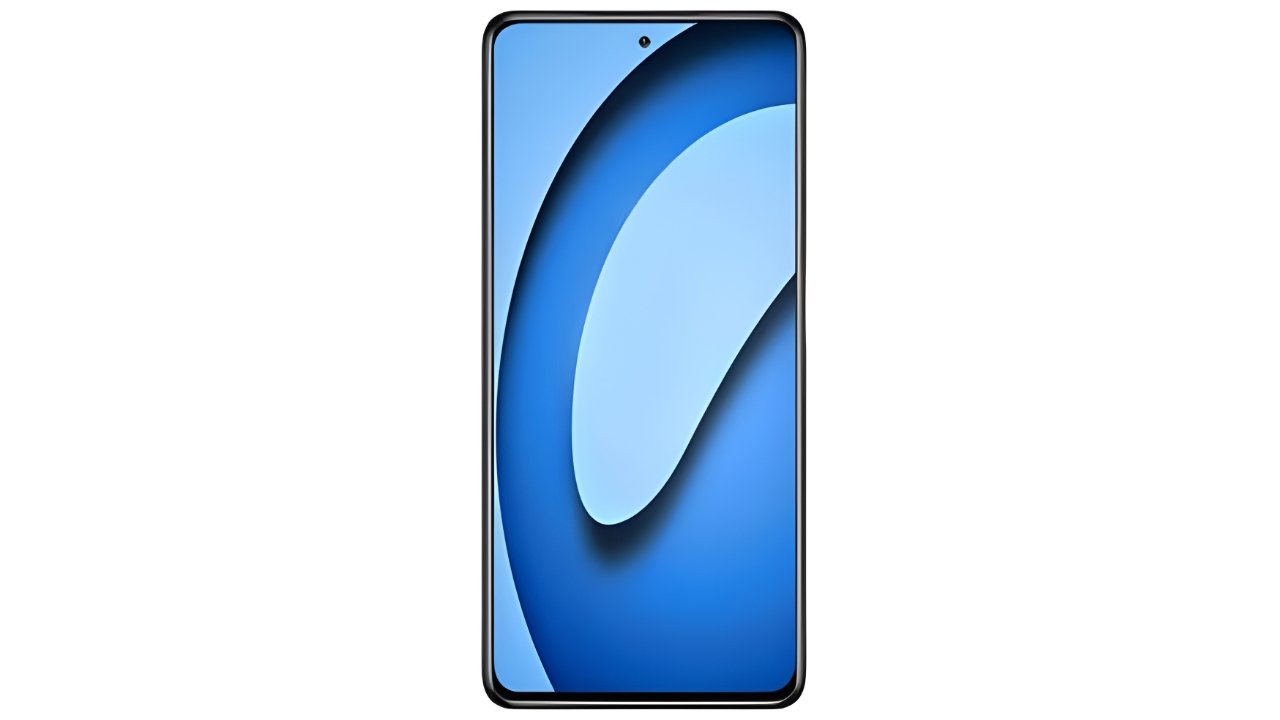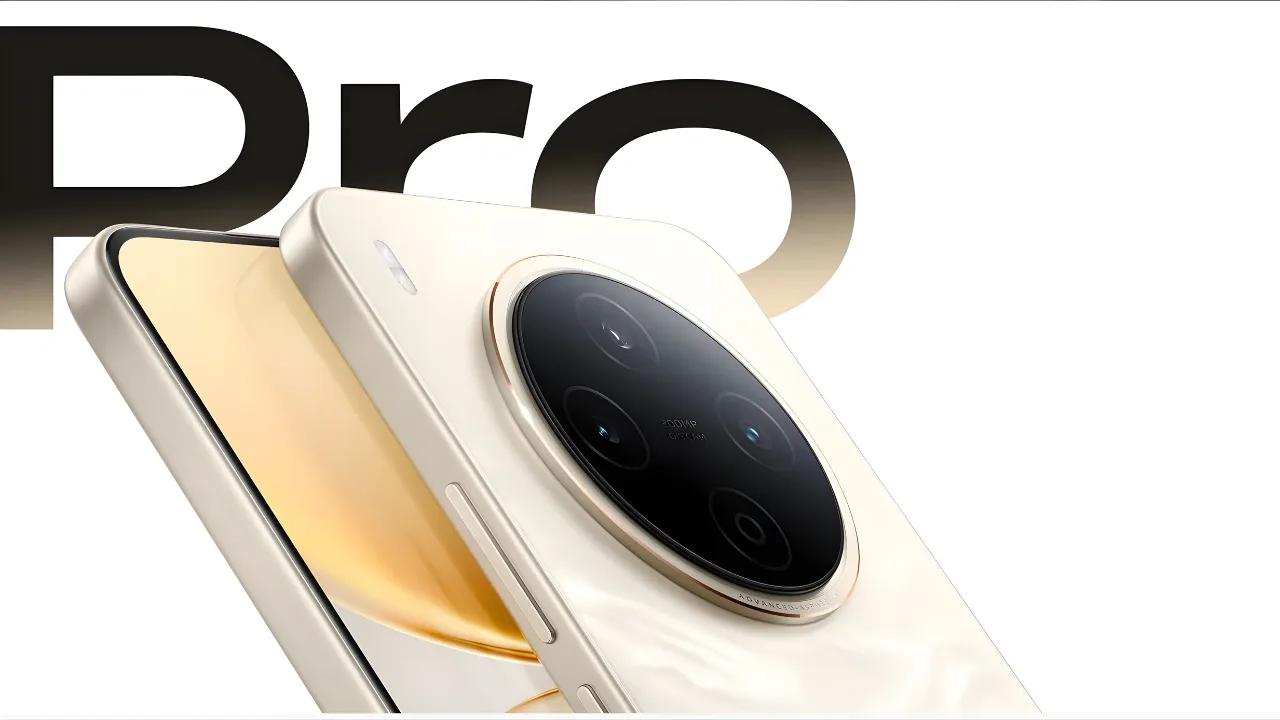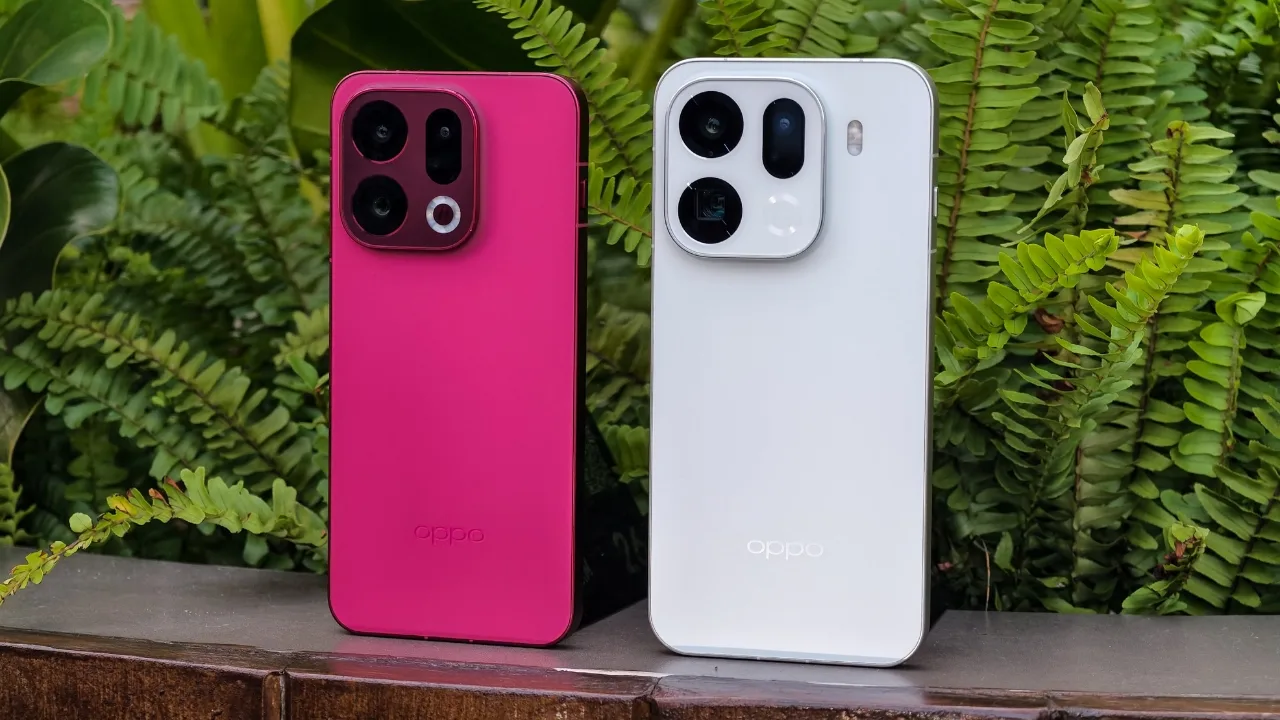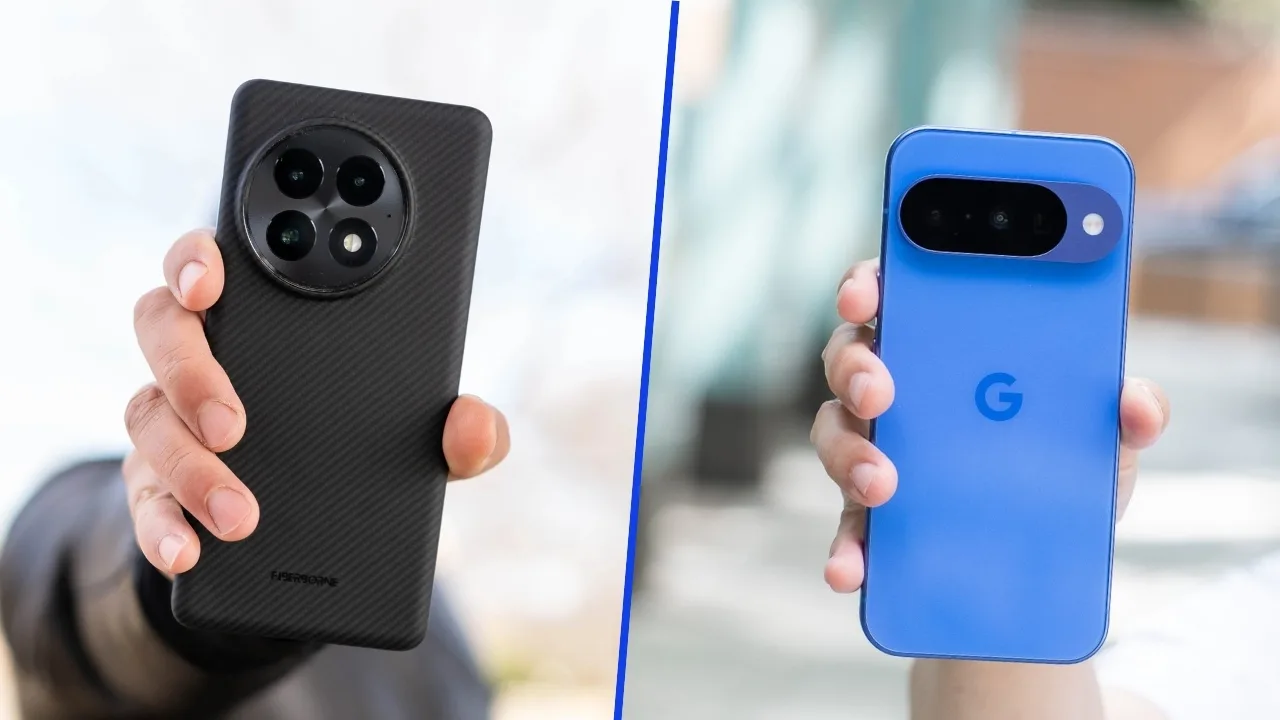
The world of flagship smartphones is heating up in 2025, with the OnePlus 13 and Pixel 10 standing as two of the strongest contenders. Both devices promise cutting-edge hardware and unique software experiences designed to satisfy different types of users.
On one side OnePlus 13 focuses on raw power, massive battery life, and blazing-fast charging. On the other, Pixel 10 emphasizes AI brilliance, unmatched photography, and long-term software reliability.
Design, Size, and Finish
OnePlus 13 comes in Midnight Ocean, Arctic Dawn, and Black Eclipse finishes with a sturdy, premium build. Dimensions are 162.9×76.5×8.5/8.9 mm and 210–213 g depending on finish.
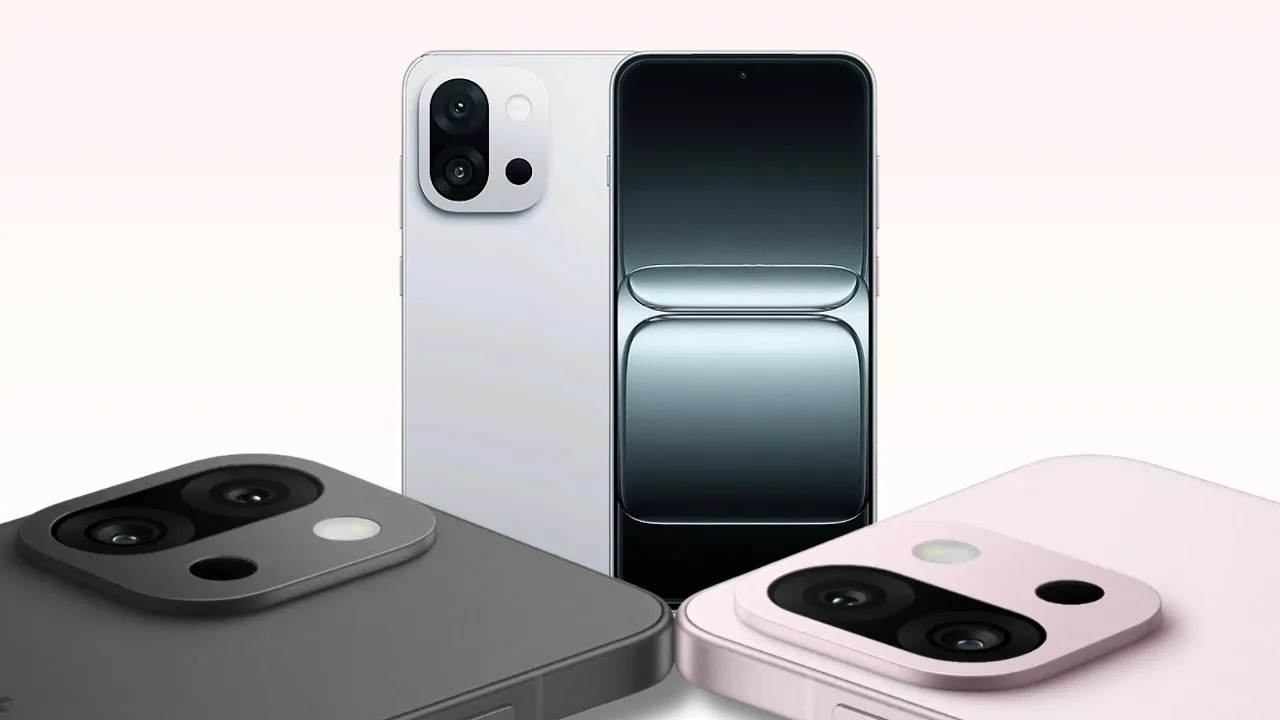
Google Pixel 10 appears in Obsidian, Indigo, Frost, and Limoncello (sometimes called Lemongrass) finishes, each with a polished satin metal frame and glass back. Dimensions measure approximately 152.8 × 72 × 8.6 mm and it weighs around 204 g.
Display Tech and Brightness
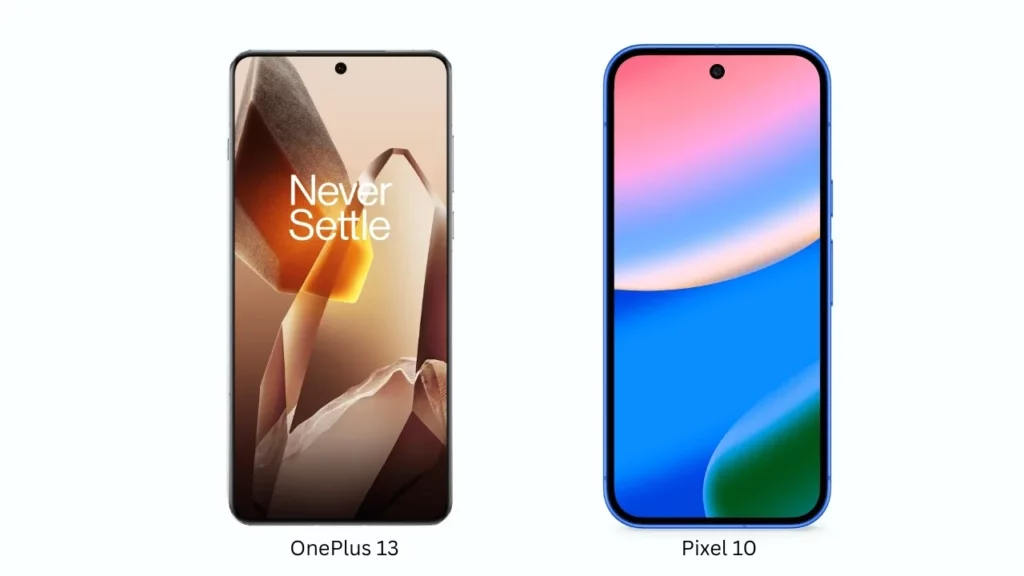
OnePlus 13 uses a 6.82-inch 3168×1440 LTPO 4.1 ProXDR panel with dynamic 1-120 Hz refresh and 10-bit color. It lists 1,600 nits HBM and 4,500 nits peak brightness.
Pixel 10 opts for a 6.3-inch Actua screen with up to 3,000 nits peak and up to 120 Hz refresh for smooth scrolling and clear outdoor visibility in bright daylight.
Performance Engines
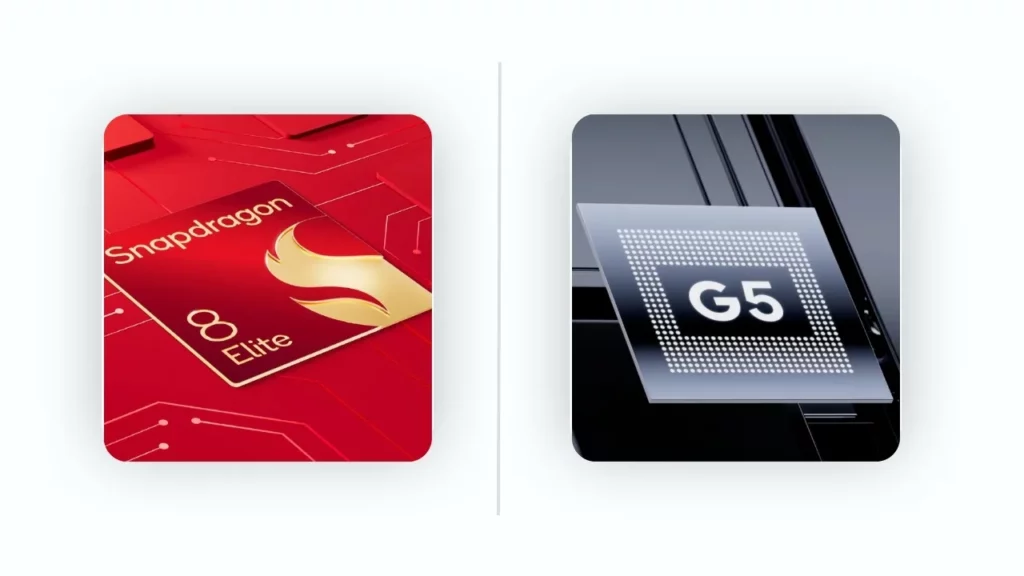
OnePlus 13 runs Qualcomm’s Snapdragon 8 Elite with an Oryon CPU up to 4.32 GHz and Adreno 830 graphics for flagship-grade speed.
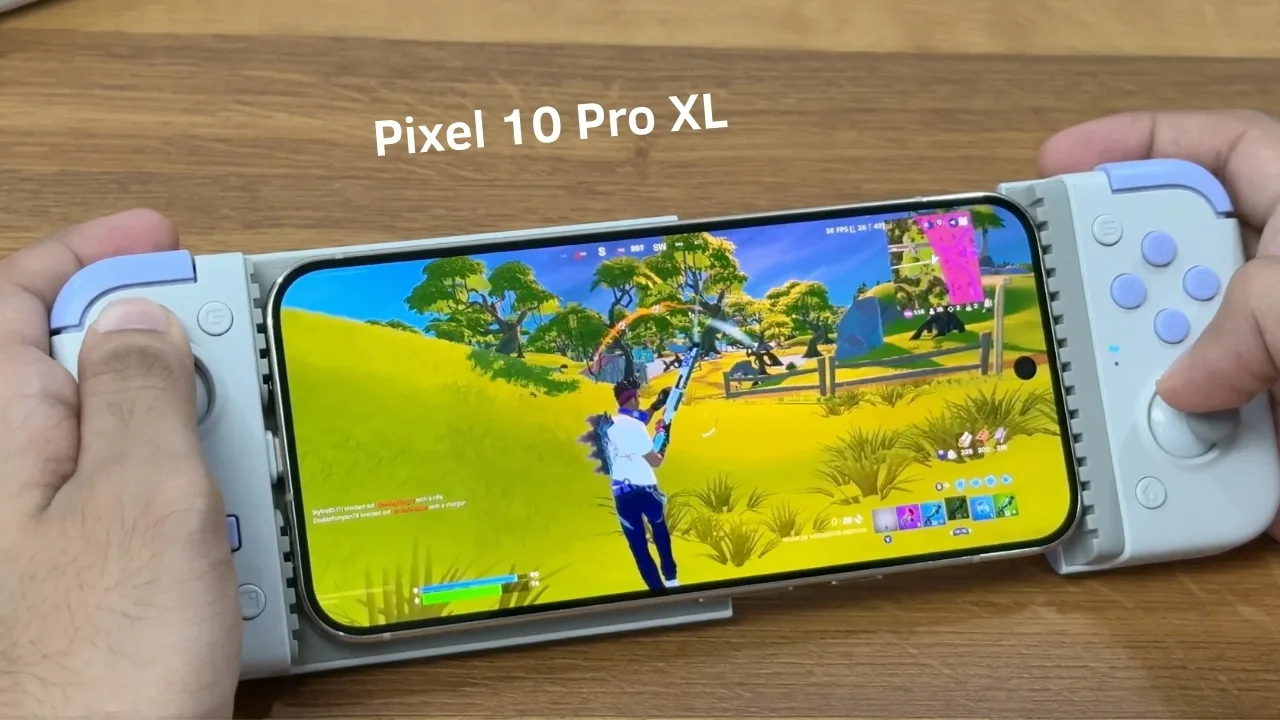
Pixel 10 is powered by Google’s Tensor G5, designed to drive advanced on-device AI features while keeping daily performance responsive and consistent.
Memory and Storage Choices
OnePlus offers 12 GB or 16 GB LPDDR5X RAM with 256 GB or 512 GB UFS 4.0 storage ample headroom for heavy apps and 4K video projects.
Pixel 10 pairs 12 GB RAM with 128 GB or 256 GB storage, giving straightforward options for most users who back up to the cloud.
Rear Cameras, Lenses, and Zoom
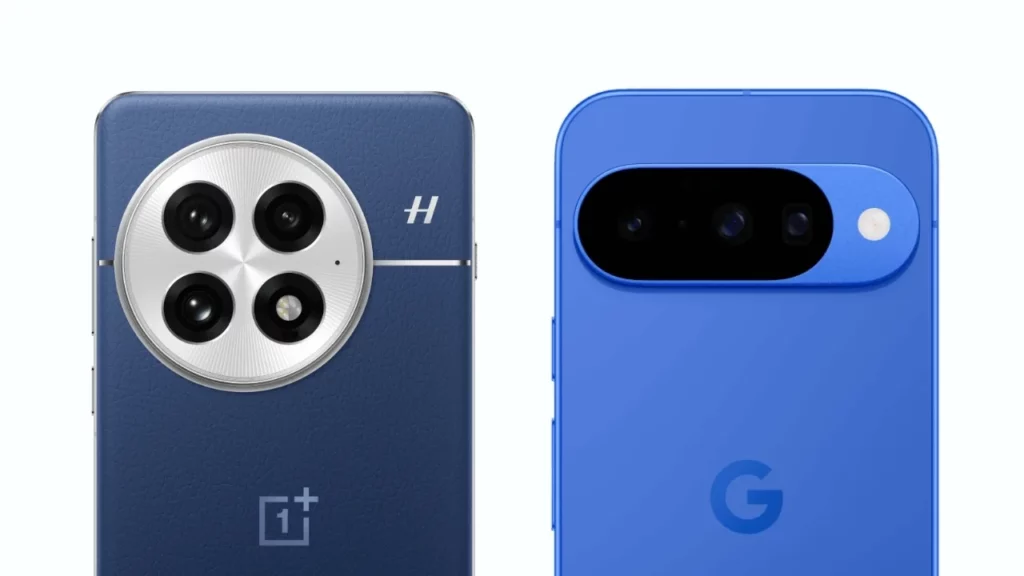
OnePlus 13 features a 50 MP Sony LYT-808 main with OIS, a 50 MP 3× Triprism telephoto (Sony LYT-600), and a 50 MP ultra-wide (120°).
Pixel 10 lists a triple rear setup: 48 MP wide, 13 MP ultra-wide, and 10.8 MP telephoto delivering 5× optical reach and up to 20× Super Res Zoom.
Selfie and Front Video
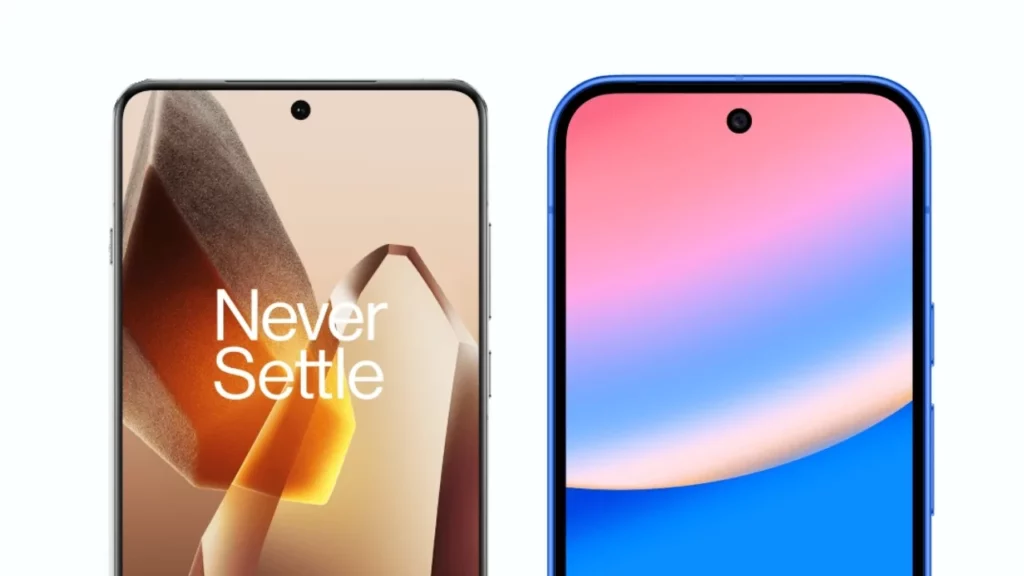
OnePlus 13 uses a 32 MP IMX615 front camera supporting up to 4K60 recording, helpful for sharp vlogs and crisp video calls.
Pixel 10 10.5 MP front camera has autofocus and a 95° field of view, balancing detail and group framing for social content and conferencing.
Video Features
OnePlus supports 8K30 on the rear, 4K60/30 across modes, and Dolby Vision at up to 4K60 plus slo-mo up to 1080p240 and 720p480.
Pixel 10 captures 10-bit HDR video and 4K, with AI-assisted tools to stabilize and enhance clips for share-worthy results without extra effort.
Battery Capacity and Endurance
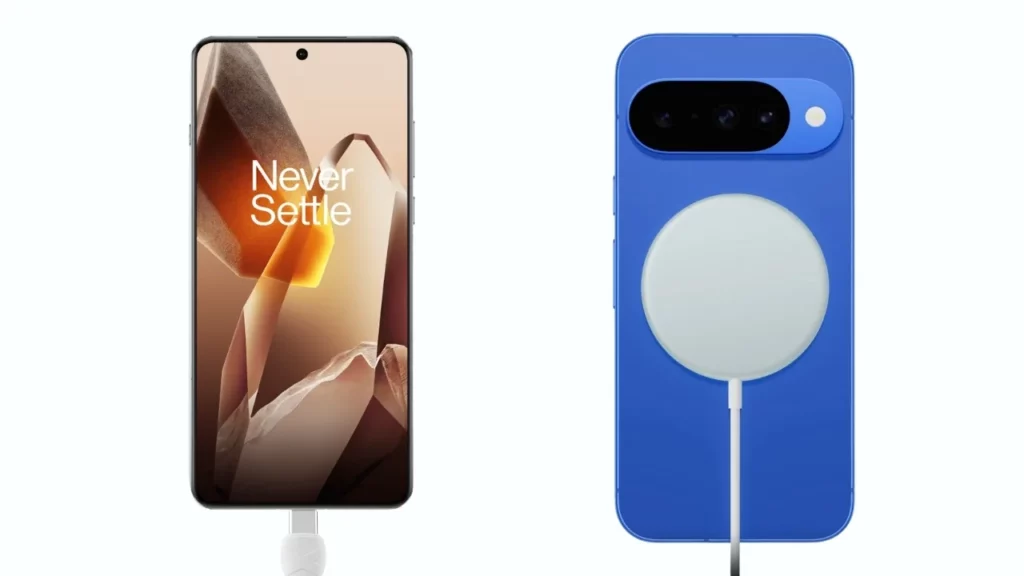
OnePlus 13 carries a 6000 mAh silicon-carbon battery, built for longevity and sustained performance. It offers ultra-fast 100 W wired and 50 W wireless charging, delivering a full day’s endurance within minutes of recharge. Its larger cell supports extended gaming, streaming, and multitasking without compromise.
Google Pixel 10 uses a 4970 mAh battery designed to balance efficiency with Google’s AI-driven power management. It supports 30 W wired charging, 15 W wireless Qi2 charging, and PixelSnap magnetic charging. The device ensures reliable all-day usage, enhanced by adaptive software optimizations for long-term durability.
Connectivity and Ports
OnePlus 13 lists Wi-Fi 7, Bluetooth 5.4 with LDAC/LHDC support, USB-C (USB 3.2 Gen 1), and dual-SIM options, plus eSIM availability varying by carrier.
Google Pixel 10 supports Wi‑Fi 6E (2.4 GHz, 5 GHz, 6 GHz, 2×2 MIMO), Bluetooth 6.0, NFC, and Google Cast. It has a USB‑C 3.2 port, dual‑SIM support (Nano‑SIM + eSIM or dual eSIM), and GNSS location (GPS, GLONASS, Galileo, Beidou).
Software Experience and Longevity
OnePlus 13 launches with OxygenOS built on Android 15, optimized for smooth navigation, gaming, and multitasking. The company promises five years of major updates and six years of security patches, offering extended usability and consistent improvements across its lifespan.
Google Pixel 10 arrives with Android 16 and Pixel-exclusive AI features like Camera Coach and Magic Cue. Google commits to seven years of system and security updates, ensuring long-term reliability. Pixel phones also deliver immediate access to the newest Android releases and features.
Display Comfort and Protection
OnePlus includes Ceramic Guard cover glass and multi-brightness color calibration, aiming for durability and visual consistency across lighting.
Pixel 10 emphasizes readability outdoors and smooth 120 Hz transitions, helping texts, maps, and apps look crisp in direct sun.
What’s in the Box
OnePlus 13 includes a Type-A to C cable, SIM tool, and guides details buyers appreciate when setting up on day one.
Pixel 10 ships with a 1 m USB-C to USB-C cable; the 45 W charger is sold separately on the Google Store.
Practical Takeaway
Choose OnePlus 13 if you value a huge QHD+ screen, a larger battery, broader video formats, and higher-tier charging speed for demanding use.
Pick Pixel 10 if you want longer software support, rich Google AI features, dependable telephoto reach, and effortless Qi2 magnetic charging for everyday convenience.
OnePlus 13 vs Pixel 10 Full Specification Comparison Table
| Category | OnePlus 13 | Pixel 10 |
|---|---|---|
| Dimensions & weight | 162.9 × 76.5 × 8.5/8.9 mm; 213 g (Arctic Dawn/Black Eclipse), 210 g (Midnight Ocean) | 6.0 × 2.8 × 0.3 in; 7.2 oz |
| Finishes | Midnight Ocean, Arctic Dawn, Black Eclipse | Indigo, Frost, Lemongrass, Obsidian |
| Display | 6.82″ 3168×1440 (QHD+) LTPO 4.1 ProXDR, 1–120 Hz, 10-bit, up to 1600 nits HBM / 4500 nits peak; Ceramic Guard | 6.3″ 2424×1080 Actua OLED, 60–120 Hz, up to 2000 nits HDR / 3000 nits peak; Gorilla Glass Victus 2 |
| Aspect ratio & PPI | 19.8:9; ~510 ppi | 20:9; ~422 ppi |
| Chipset | Snapdragon 8 Elite (Oryon CPU up to 4.32 GHz; Adreno 830) | Google Tensor G5 + Titan M2 |
| RAM | 12 GB / 16 GB LPDDR5X | 12 GB |
| Storage | 256 GB / 512 GB UFS 4.0 | 128 GB / 256 GB |
| Rear cameras | 50 MP wide (Sony LYT-808, OIS, f/1.6, 23 mm eq., 85° FOV) • 50 MP 3× tele (Sony LYT-600, OIS, f/2.6, 73 mm eq.) • 50 MP ultra-wide (f/2.0, 15 mm eq., 120° FOV) | 48 MP wide (f/1.7, 82° FOV) • 13 MP ultra-wide (f/2.2, 120° FOV) • 10.8 MP tele (5× optical, OIS, f/3.1) |
| Zoom ranges | Up to 120× digital (Ultra Res); 3× optical | Super Res Zoom up to 20×; 5× optical |
| Rear video | Up to 8K30; 4K60/30; 1080p60/30; Dolby Vision up to 4K60; slo-mo 1080p240 / 720p480 | 4K24/30/60; 1080p24/30/60; 10-bit HDR; slo-mo up to 240 fps; multiple stabilization modes |
| Front camera | 32 MP (Sony IMX615), 4K60/30, 90° FOV | 10.5 MP with AF, 4K30/60, 95° FOV |
| Battery | 6000 mAh (dual-cell) | Typical 4970 mAh (min 4835 mAh) |
| Wired charging | 100 W SUPERVOOC | Fast charging up to ~55% in ~30 min with 30 W USB-C PPS or higher (charger sold separately) |
| Wireless charging | 50 W AIRVOOC | Pixelsnap (Qi2-certified) up to 15 W |
| OS at launch | OxygenOS 15 based on Android 15 | Android 16 |
| Update policy | Not listed on specs page | 7 years OS, security, and Pixel Drop updates |
| Biometric unlock | Ultrasonic in-display fingerprint | Fingerprint Unlock; Face Unlock |
| Connectivity (Wi-Fi / BT / NFC) | Wi-Fi 7; Bluetooth 5.4 with SBC/AAC/aptX/aptX-HD/LDAC/LHDC 5.0; NFC | Wi-Fi 6E (2×2 MIMO); Bluetooth v6; NFC; Google Cast |
| Location | GPS, GLONASS, BDS, Galileo, QZSS | Dual-band GNSS (GPS, GLONASS, Galileo) |
| SIM | Dual nano-SIM; eSIM availability varies by carrier | Dual eSIM (two active; stores 8+ eSIMs) |
| USB | USB-C (USB 3.2 Gen 1) | USB-C 3.2 |
| Water/dust | — | IP68 |
| Audio | OReality Audio; noise cancellation | Stereo speakers; three mics; Spatial Audio; noise suppression |
| HDR/display extras | Dolby Vision, HDR10+, HDR Vivid support | HDR, 24-bit color depth; >2,000,000:1 contrast |
| In the box | Type-A to C cable, SIM tool, guides | 1 m USB-C to USB-C cable (USB 2.0) |