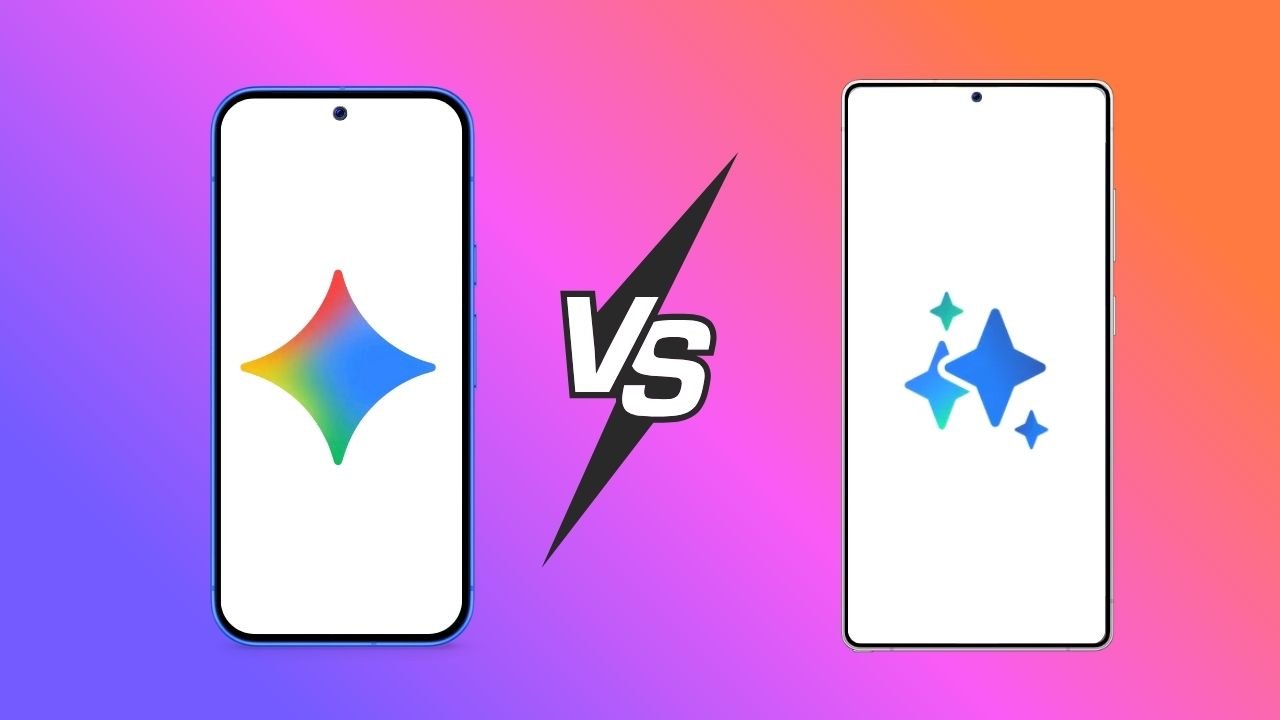
Google Pixel 10 Pro brings advanced AI with Tensor G5 while Samsung Galaxy S25 Ultra pushes Galaxy AI and powerful cameras. Here is how the two Android giants compare in the US.
Google and Samsung are once again battling for Android dominance, and this time the fight is centered on artificial intelligence. The newly launched Google Pixel 10 Pro takes a software-first approach with its Tensor G5 processor, while the Samsung Galaxy S25 Ultra leans on Galaxy AI and hardware strength. Both smartphones are premium, but they show very different ideas of how AI should shape the future of mobile devices.
AI Features and Everyday Use: Subtle vs Feature-Packed
The Pixel 10 Pro puts AI at the center of the user experience. Powered by Google’s custom Tensor G5 chip, the phone introduces features like Magic Cue, which predicts and assists with daily tasks, and Camera Coach, which guides users for better photography. Pro Res Zoom and Auto Best Take highlight Google’s continued focus on computational photography. With deeper Gemini integration, the Pixel also promises smarter translations, summaries, and real-time assistance built into Android 16.
Samsung’s Galaxy S25 Ultra takes a broader path with Galaxy AI. It offers real-time call translation, Writing Assist for better communication, Circle to Search for quick lookups, and Generative Edit for creative photo work. Samsung also adds Portrait Studio and the ProVisual Engine, which push its already strong camera system even further. The goal is to make AI a tool for productivity and creativity across the entire device.
Camera Systems: Google’s Computational Tricks vs Samsung’s Hardware Power
Google’s Pixel 10 Pro comes with a triple-camera system that includes a 50-megapixel main sensor, a 48-megapixel ultrawide lens, and a 48-megapixel telephoto with 5x zoom. AI features enhance zoom clarity, improve exposure, and even suggest better framing for photos.
Samsung’s Galaxy S25 Ultra continues to rely on its powerful hardware. The phone features a massive 200-megapixel main sensor, a 50-megapixel ultrawide, and two telephoto lenses, one at 3x and another at 5x zoom. Combined with Galaxy AI image processing, the S25 Ultra delivers detail-rich photos and flexible shooting options for both casual users and professionals.
Design and Build: Compact Pixel vs Bold Ultra
The Pixel 10 Pro offers a 6.3-inch display with a peak brightness of 3,300 nits, making it compact yet sharp. It feels lighter and more pocket-friendly compared to other flagships.
The Galaxy S25 Ultra is larger at 6.9 inches with a QHD+ panel and adaptive refresh rate. It has a boxier look with stronger edges and remains the phone of choice for users who like larger displays for media and productivity.
Performance and Battery Life: Different Strengths for Different Users
The Pixel 10 Pro includes 16 GB of RAM, storage options up to 1 TB, and a 4,870 mAh battery with 30 W wired charging and Qi2 wireless support. It emphasizes efficiency and tight integration with Android 16.
The Galaxy S25 Ultra offers 12 GB RAM by default with an option for 16 GB on higher models. It includes a 5,000 mAh battery with 45 W fast charging and reverse wireless charging for accessories, making it more versatile for heavy users.
Software and Longevity: Equal Commitment to Updates
Both devices now promise seven years of software and security updates, which is a major shift for the Android ecosystem. This gives buyers confidence that either phone will remain supported well into the next decade.
The Battle of AI Philosophies in Android
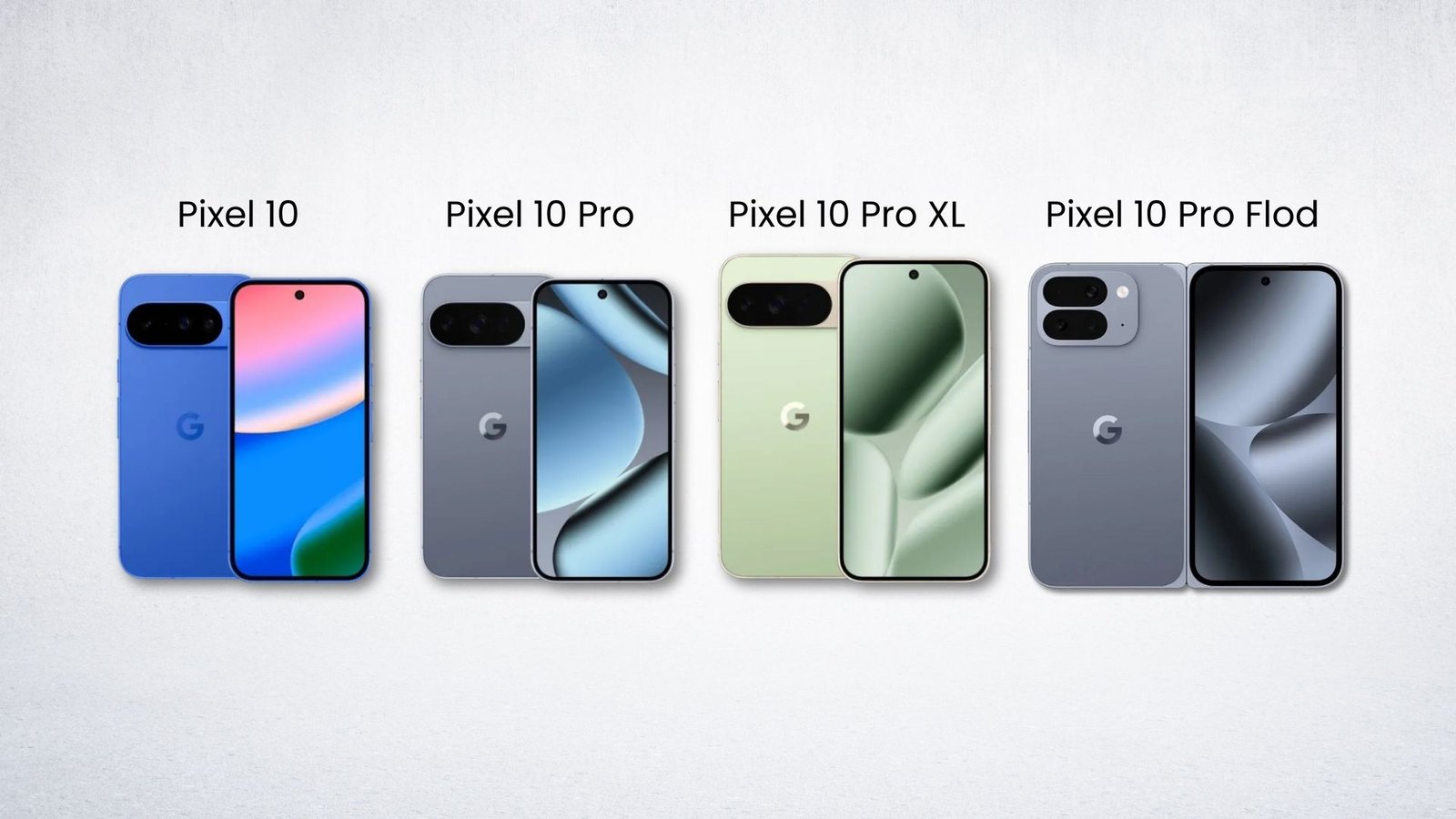
The Pixel 10 Pro shines for users who value Google’s software magic, daily assistance, and advanced computational photography. The Galaxy S25 Ultra appeals to those who prefer larger screens, stronger camera hardware, and versatile AI tools for productivity and creativity.
The battle between Pixel AI and Galaxy AI is less about raw power and more about philosophy. Google bets on subtle, seamless AI woven into the phone’s core, while Samsung delivers a mix of hardware and AI tools that aim to make the phone a true all-in-one device.