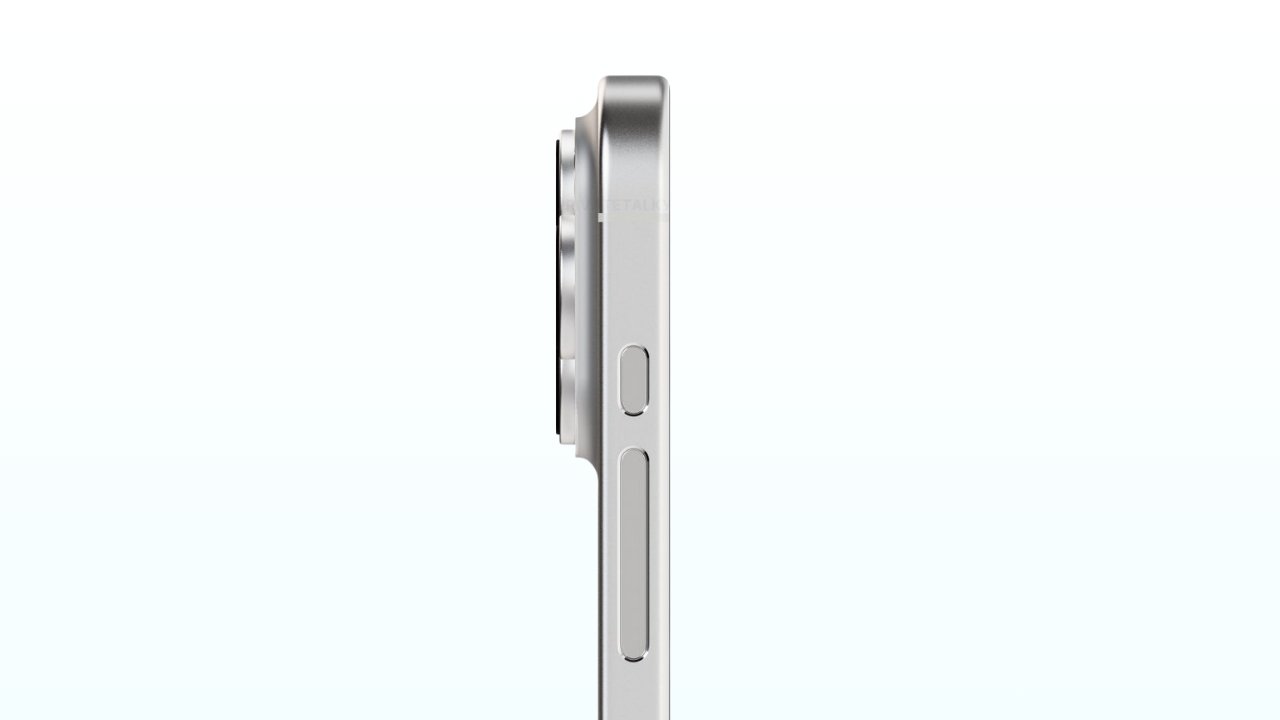
Apple has always experimented with bold design shifts, and one rumored change is generating real debate. Imagine future iPhones without traditional mechanical buttons, replaced entirely by solid-state capacitive controls powered by advanced haptics.
Solid-state buttons rely on touch sensitivity instead of physical movement. Apple Taptic Engine would simulate a click, giving the feeling of pressing a button without actual parts moving. This approach could improve durability and reduce wear over time.
Such buttons also bring water resistance benefits. With fewer physical openings, the risk of liquid entering the device decreases, potentially making the phone more reliable in harsh environments. That is something outdoor users and long-term owners could welcome.
Responsiveness may also feel smoother. Capacitive inputs can be programmed for different pressure levels, creating customizable control schemes for tasks like adjusting volume or activating shortcuts. Apple could unlock new features through software, expanding how users interact with hardware.
However, not every user is convinced. Mechanical buttons provide a reassuring physical response that many still prefer. Replacing them entirely could feel unnatural to those accustomed to the tactile certainty of a real click.
Apple has already tested similar ideas with its trackpads and iPhone home button, where haptic feedback mimicked mechanical motion. Both were eventually accepted by most users, but the shift to capacitive side buttons would be more noticeable.
If implemented, this change could redefine the feel of iPhones for years. The real question remains whether people are ready to let go of mechanical feedback.