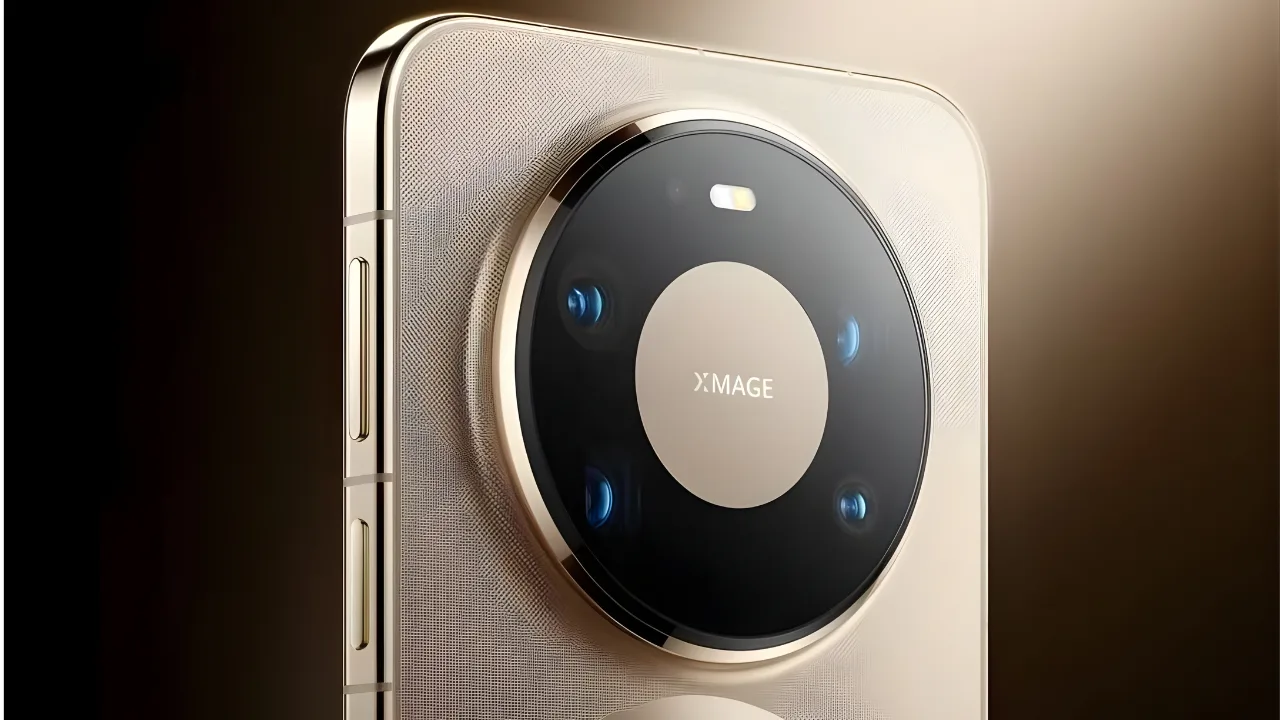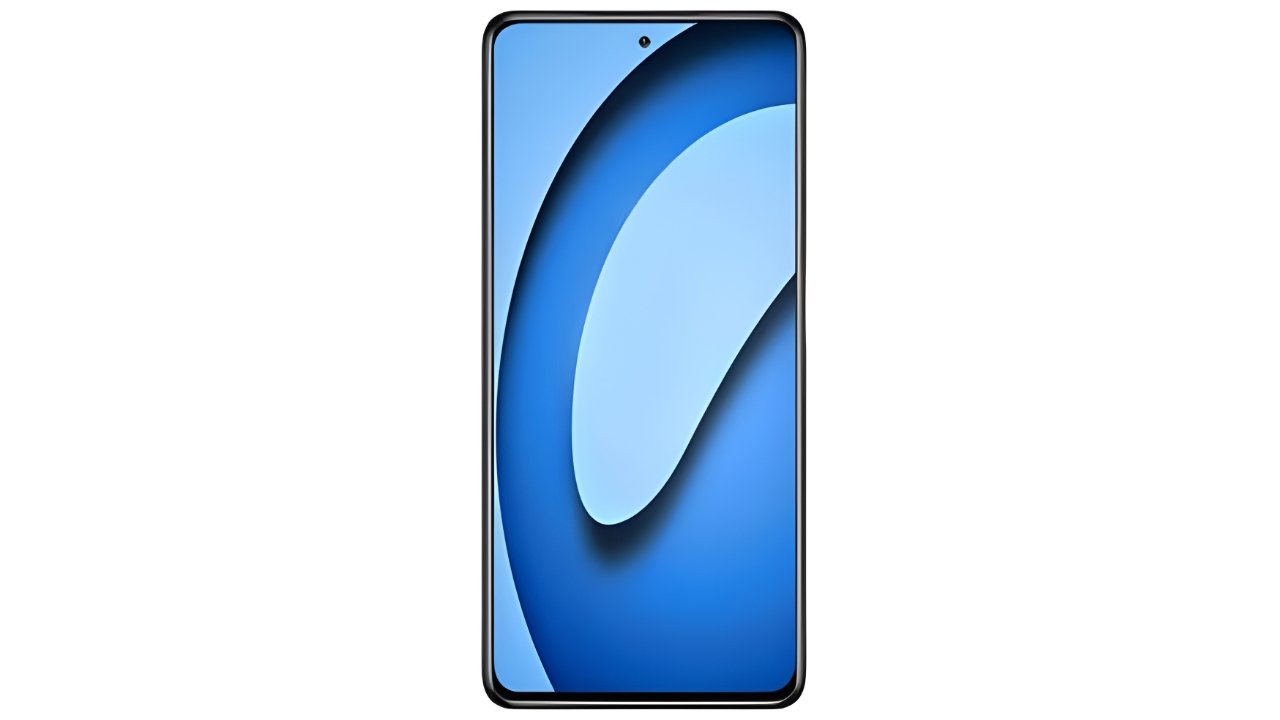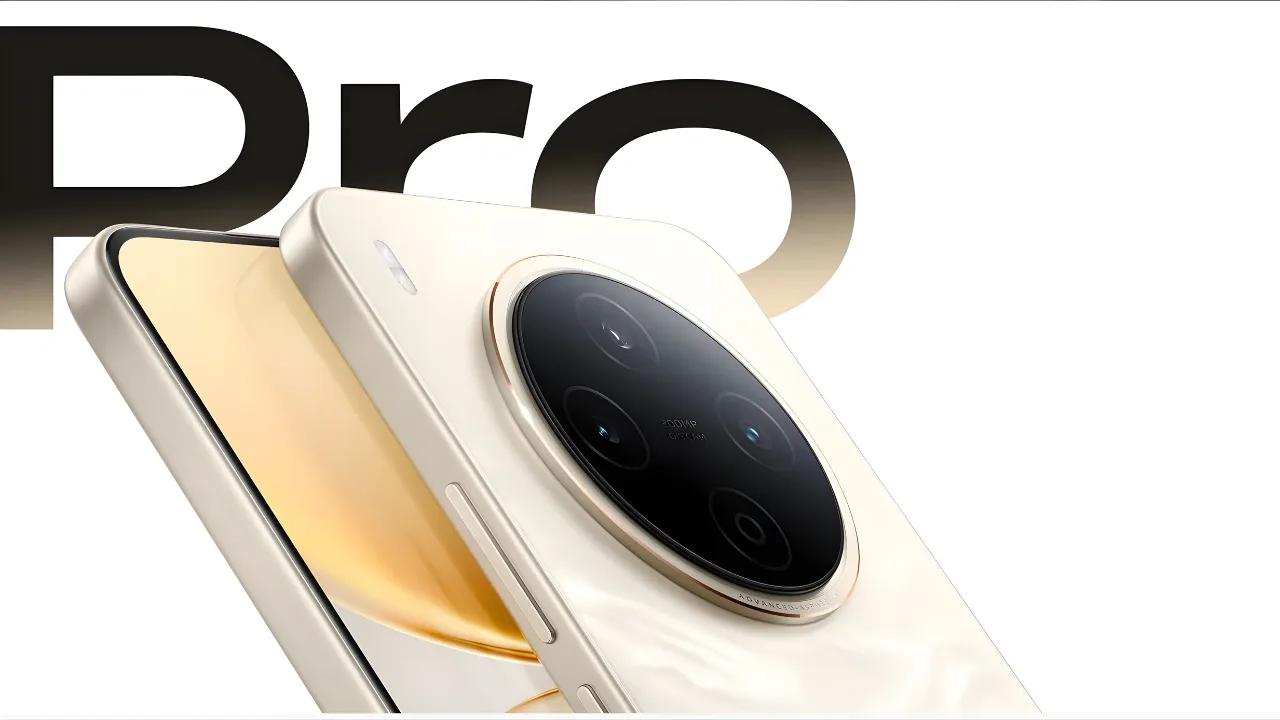
Xiaomi 17 Pro Max: Xiaomi 17 Pro Max launches in China starting at CNY 6,000 ($840) with a rear AMOLED display, Snapdragon 8 Ultimate chip, Leica 50MP triple cameras, and a 7,500mAh battery with 100W charging.
Xiaomi has officially introduced the Xiaomi 17 Pro Max, its most ambitious flagship yet. The phone is already on sale in China with several memory and storage options. Packed with powerful hardware and a unique rear display, it is built to stand out. With its specs, the 17 Pro Max looks ready to be one of the most complete smartphones of the year.
A rear screen that works every day
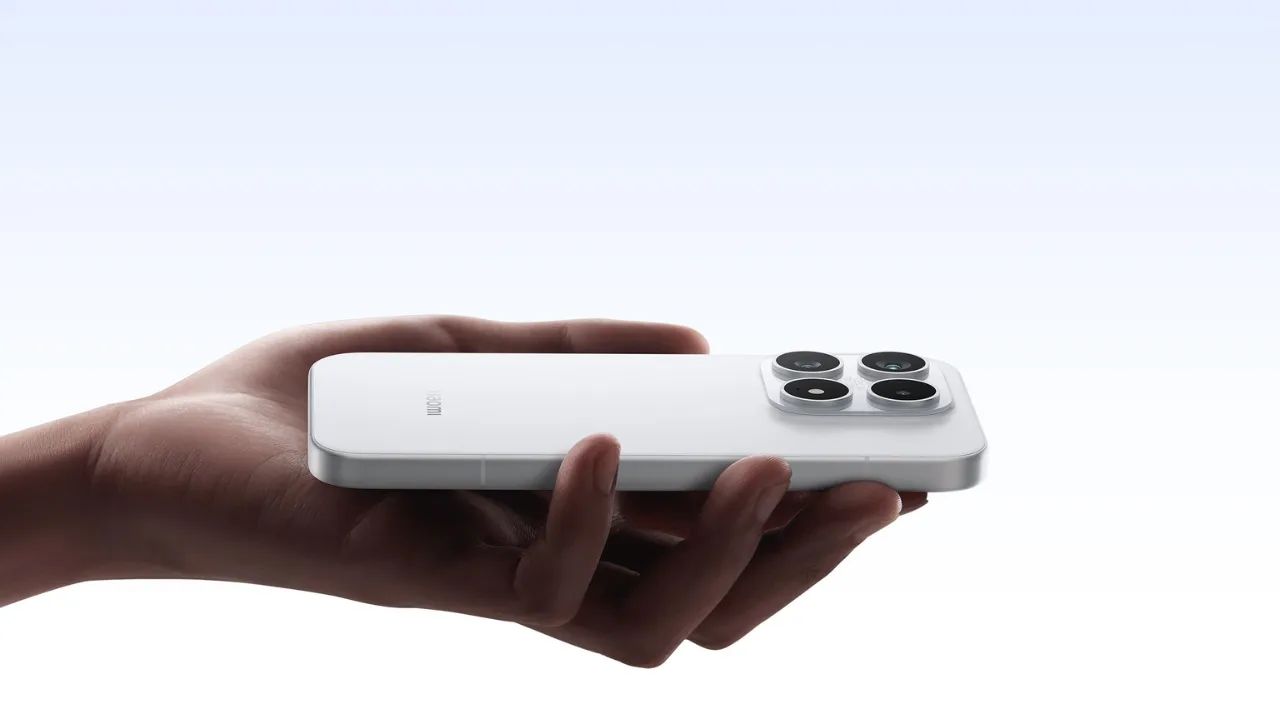
The highlight of the Xiaomi 17 Pro Max is its 2.9-inch rear AMOLED display. Unlike other attempts at secondary screens, this one is bright, efficient, and built for real tasks. It shows rides, deliveries, flights, music, and quick notifications without needing to wake the main display.
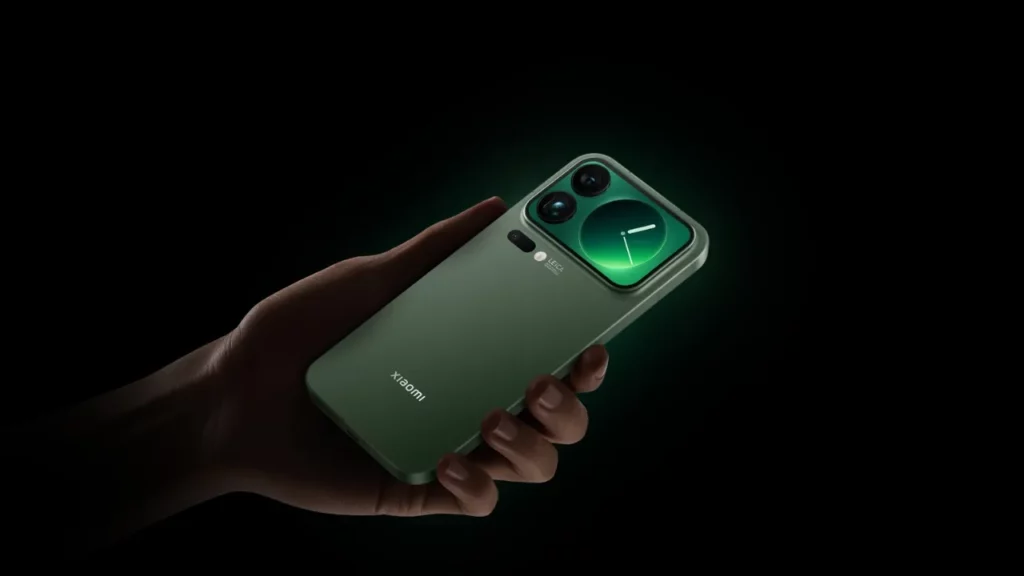
With XiaoAI “Circle & Paste,” you can circle anything on the front screen like QR codes, reminders, or order numbers and pin it straight to the back as a Sticky Note. There is also a photo-booth mode with fun templates, plus the option to print those shots instantly using a Mi Home printer. The rear preview makes it easy to capture sharp selfies with the main camera, which looks much better than a front-facing lens.
Xiaomi has more planned through updates: remote car controls via the Xiaomi Auto app and interactive wallpapers, including a panda character that reacts to charging, movement, weather, and even your hand gestures.
A main display built for any light
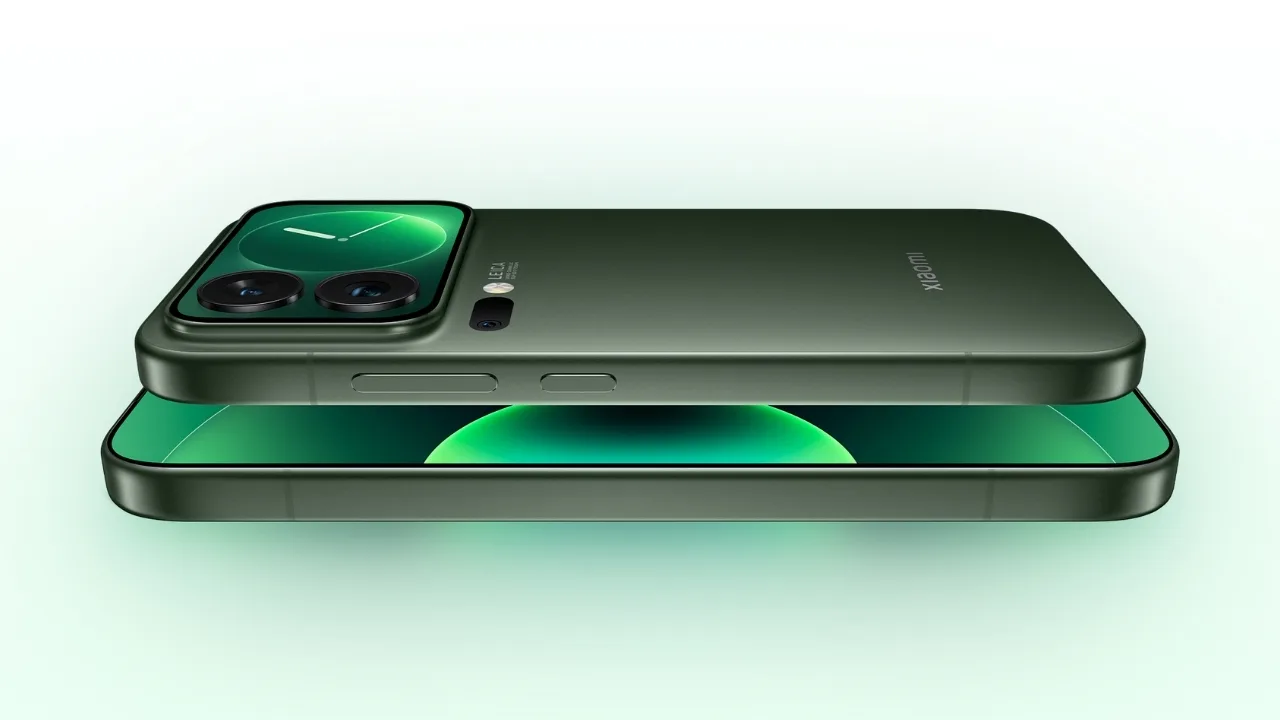
On the front, the 6.9-inch AMOLED “Super Sunshine Display” delivers flagship brightness and clarity. It reaches up to 3,500 nits peak, runs at 2608 × 1200 resolution, supports 1–120Hz adaptive refresh, and features a 300Hz touch sampling rate for instant response. The panel is tuned for vivid and accurate colors with 12-bit depth, P3 wide gamut, Dolby Vision, HDR10+, and HDR Vivid.
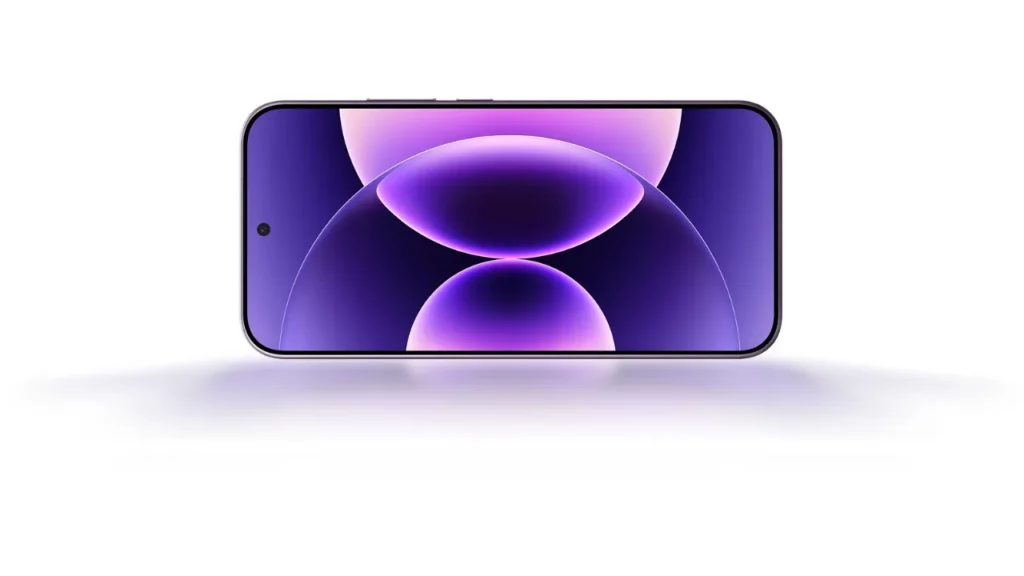
Comfort is just as important. Full-brightness DC dimming, 1-nit minimum brightness, and TÜV eye-care certifications help reduce strain. A circular polarizer keeps the screen looking natural even under strong light.
The display is protected by Xiaomi Dragon Crystal Glass 3.0, which Xiaomi claims is 30% more drop-resistant than its predecessor. The frame uses a balanced super-ellipse design, giving it a neat, modern feel.
The rear screen shares the same quality, with 976 × 596 resolution, up to 120Hz refresh, P3 color, and 3500-nit brightness all covered by Dragon Crystal Glass. Both displays support multi-screen color consistency, Pro True-Color calibration, and useful extras like always-on display and wet-hand touch.
Unlocking is handled by a 3D ultrasonic fingerprint sensor built into the screen.
Snapdragon 8 Ultimate power with cool, steady performance
Running the show is Qualcomm’s Snapdragon 8 “Ultimate Edition”, built on TSMC’s third-generation 3nm process. It features the new Oryon CPU clocked up to 4.60GHz, a faster Adreno GPU, and a stronger NPU for AI tasks.
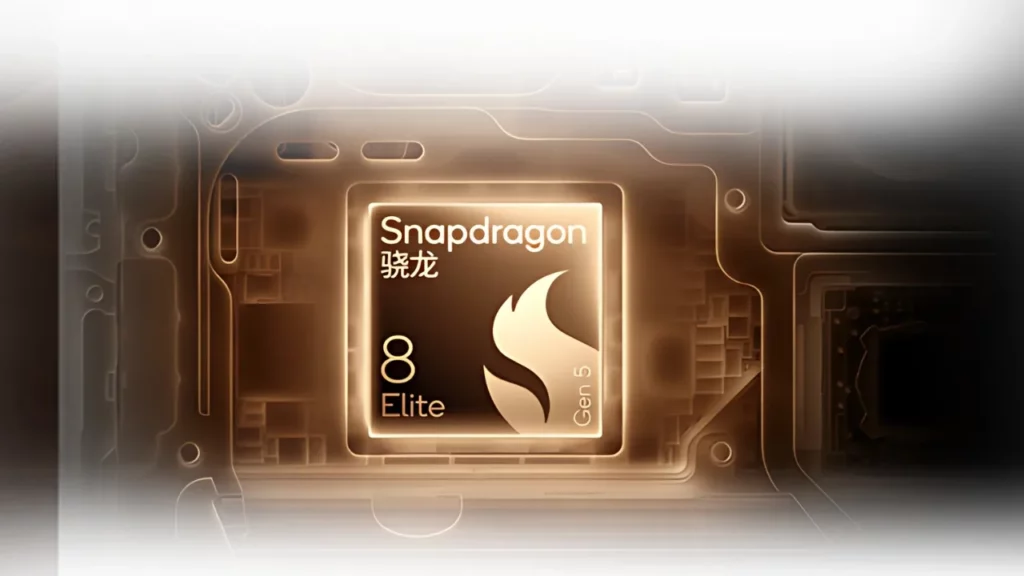
Xiaomi adds HyperCore scheduling to balance performance and efficiency. Cooling is handled by a ring-shaped vapor chamber system with micro-porous capillaries and a 5,533 mm² heat spreader, which Xiaomi says improves thermal conductivity by 54%. In testing, a demanding open-world game held 60fps for an hour while staying below 39°C.
Configurations go up to 16GB LPDDR5X RAM and 1TB UFS 4.1 storage, ensuring smooth multitasking and fast app loads.
Leica triple camera built for light and shadow
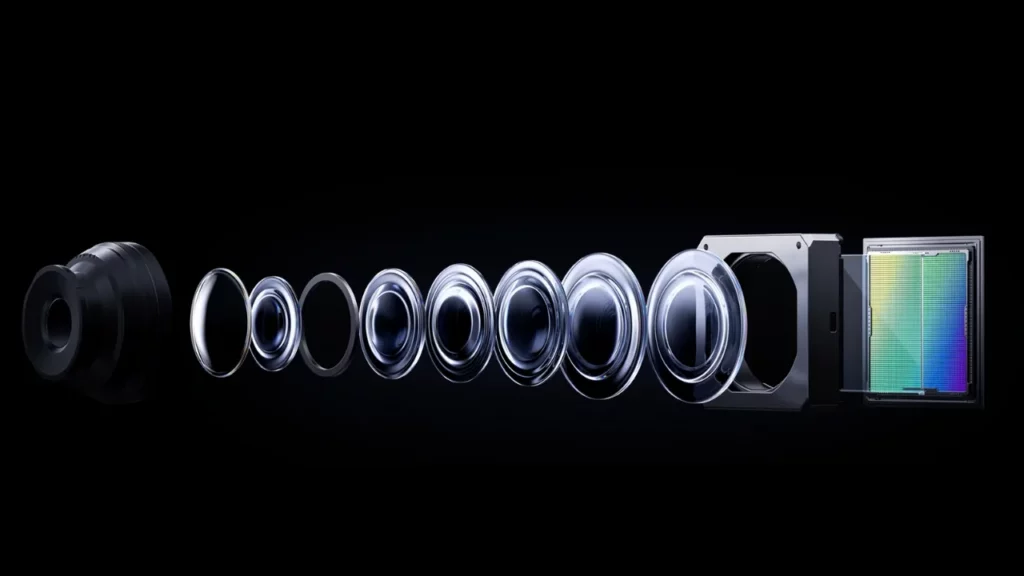
Xiaomi continues its Leica partnership with a 50MP triple system:
- Main camera: 50MP Light & Shadow Hunter 950L sensor, f/1.67, OIS, QPD autofocus, 1/1.28-inch sensor size, and LOFIC HDR tech for richer highlights and shadows.
- Periscope telephoto: 50MP, 1/2-inch sensor, 5× optical zoom, OIS, and a 30cm tele-macro mode for close-up detail.
- Ultra-wide: 50MP with a 102° field of view, autofocus, and 5cm macro shooting.
The system uses Leica Summilux optics and a full set of anti-glare coatings to cut ghosting and haze. Portraits benefit from Leica’s Master Portrait engine, which produces natural skin tones and sharper edges even with heavy backlight.
Video is equally strong, offering up to 8K at 30fps, or 4K at 30/60/120fps. Slow motion supports 1080p at up to 960fps and 720p at up to 1920fps. The 50MP front camera adds autofocus and up to 4K60 recording, but the rear preview makes the main camera the best option for selfies.
Camera features include rear-screen selfies, live previews, photo-booth mode, Live Photos, Auto Super Moon, Super Night Scene, Pro mode, long exposure, street photography, time-lapse, motion capture, Audio Zoom, Portrait bokeh, and Leica Authentic/Vibrant image styles.
A huge battery designed to last
The 7,500mAh silicon-carbon battery is tuned for long life, with Xiaomi targeting 80% capacity after 2,000 charge cycles in testing. It supports 100W Xiaomi Surge wired charging, 50W wireless charging, and 22.5W reverse charging (both wired and wireless).
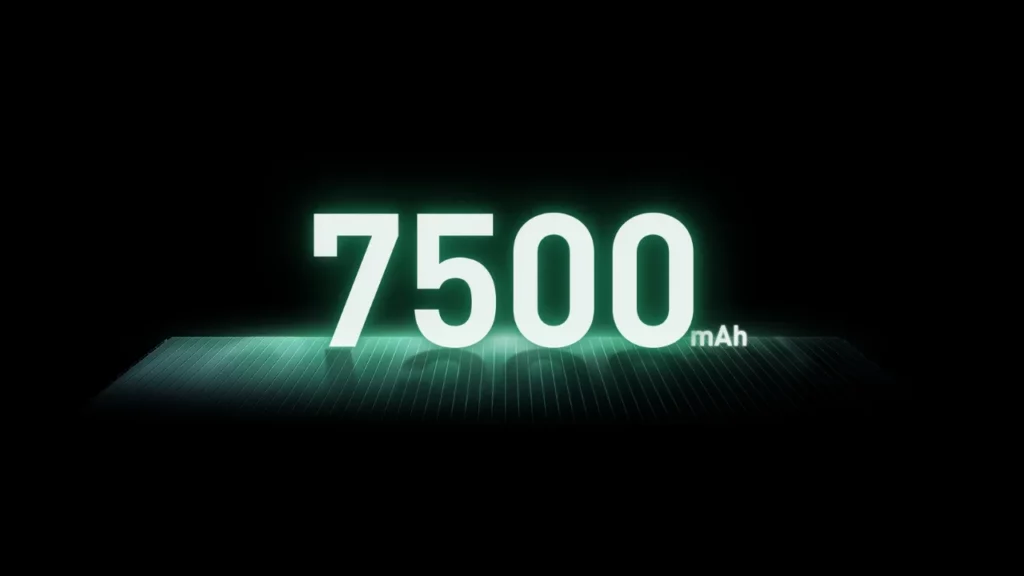
Charging works with multiple protocols: QC3+, QC3.0, QC2.0, PD3.0, PD2.0, and 100W PPS fast-charge. Xiaomi’s Surge P3 chip manages fast charging, while the Surge G2 chip monitors health, cold-weather use, and long-term endurance.
Lab results suggest about 1.74 days of usage per charge, though real-world numbers will depend on your habits.
Connectivity, durability, and audio
The 17 Pro Max is equipped for global connectivity, supporting a wide range of 5G, LTE, WCDMA, and GSM bands, including US-friendly n71 and B71. It has dual-SIM dual-active support with HD voice, 4×4 MIMO antenna technology, and roaming across 210+ countries and 520+ operators.
Wi-Fi 7, Bluetooth 5.4 with the latest codecs, and USB 3.2 Gen1 for fast wired transfers are also on board. For convenience, there is NFC for payments, transit cards, and access, plus Ultra-Wideband (UWB) for precise digital car key support.
Positioning is handled by BeiDou, GPS (L1/L5), Galileo (E1/E5a), GLONASS, QZSS, and NavIC, with AGNSS and Wi-Fi positioning.
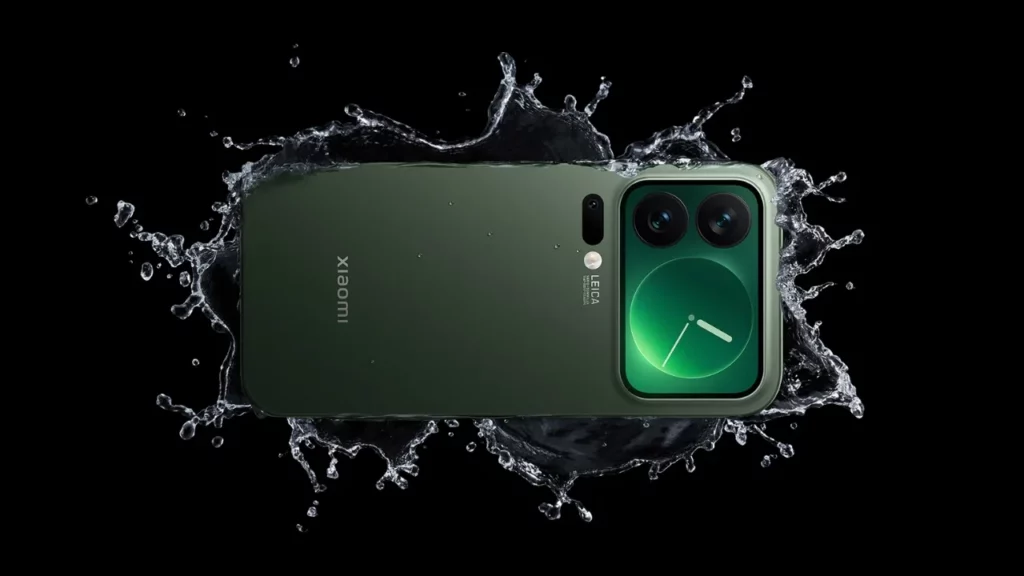
Durability is boosted by an IP68 rating, meaning resistance against dust and water up to 6 meters for 30 minutes in controlled conditions.
Audio is delivered through stereo speakers with Dolby Atmos, Hi-Res certifications, and spatial audio. A four-microphone array supports clearer voice pickup, real-time monitoring, and Audio Zoom in video.
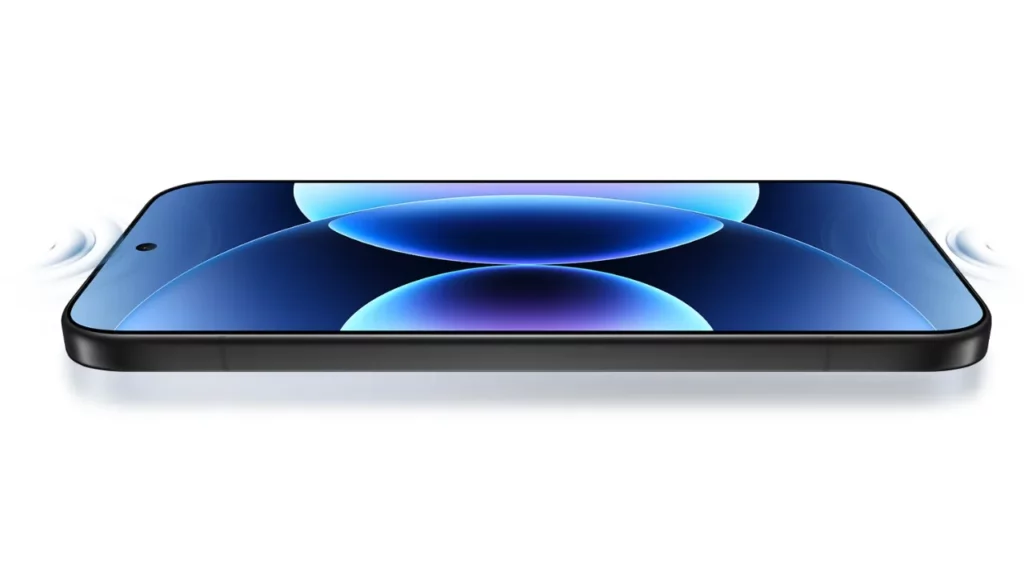
The phone also packs a full sensor suite: proximity, under-display and rear ambient-light, accelerometer, gyroscope, electronic compass, X-axis linear motor, IR blaster, flicker sensor, laser autofocus, barometer, and hall sensor.
HyperOS 3 and Apple-friendly features
The phone runs Xiaomi HyperOS 3, which introduces smooth animations, a clean new system font, and Xiaomi Super Island for quick context-aware actions.
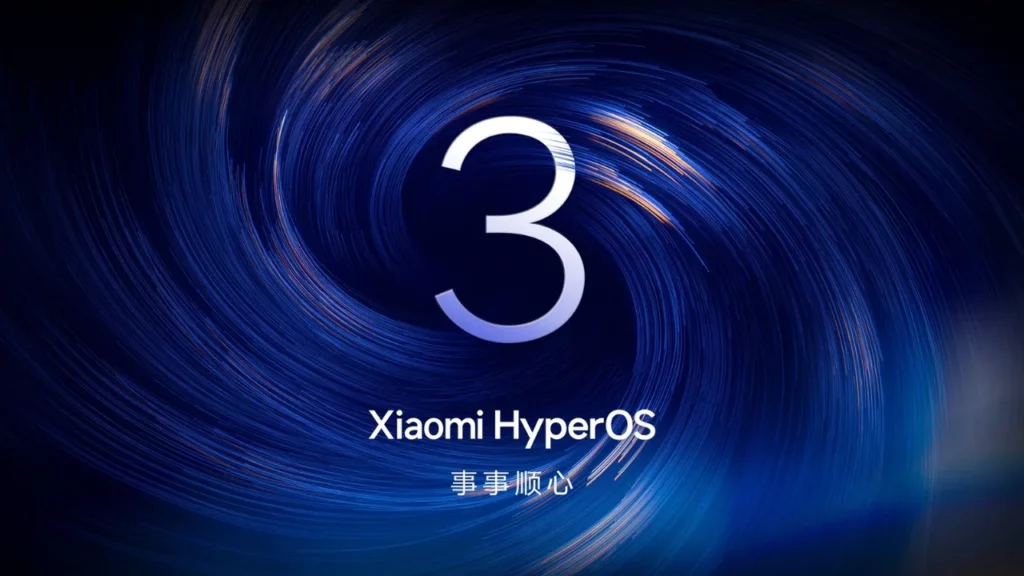
One standout is Mi Enjoy Desktop, which lets you use phone apps on a Mac or iPad with resizable windows and unlock sessions with Touch ID or Face ID. This makes the 17 Pro Max surprisingly Apple-friendly.
XiaoAI’s “Circle the Screen” feature turns capturing and sending content into a one-step action, perfect for the rear display. Xiaomi also includes a variety of wallpaper options, dynamic clock styles, and personalization features.
Pricing and availability
The Xiaomi 17 Pro and 17 Pro Max are launching first in China, and you can already order them online. Below are the Chinese prices with direct USD conversions (note: global prices will be higher):
- 12GB + 512GB: CNY 6,000 ($840)
- 16GB + 512GB: CNY 6,300 ($885)
- 16GB + 1TB: CNY 7,000 ($980)
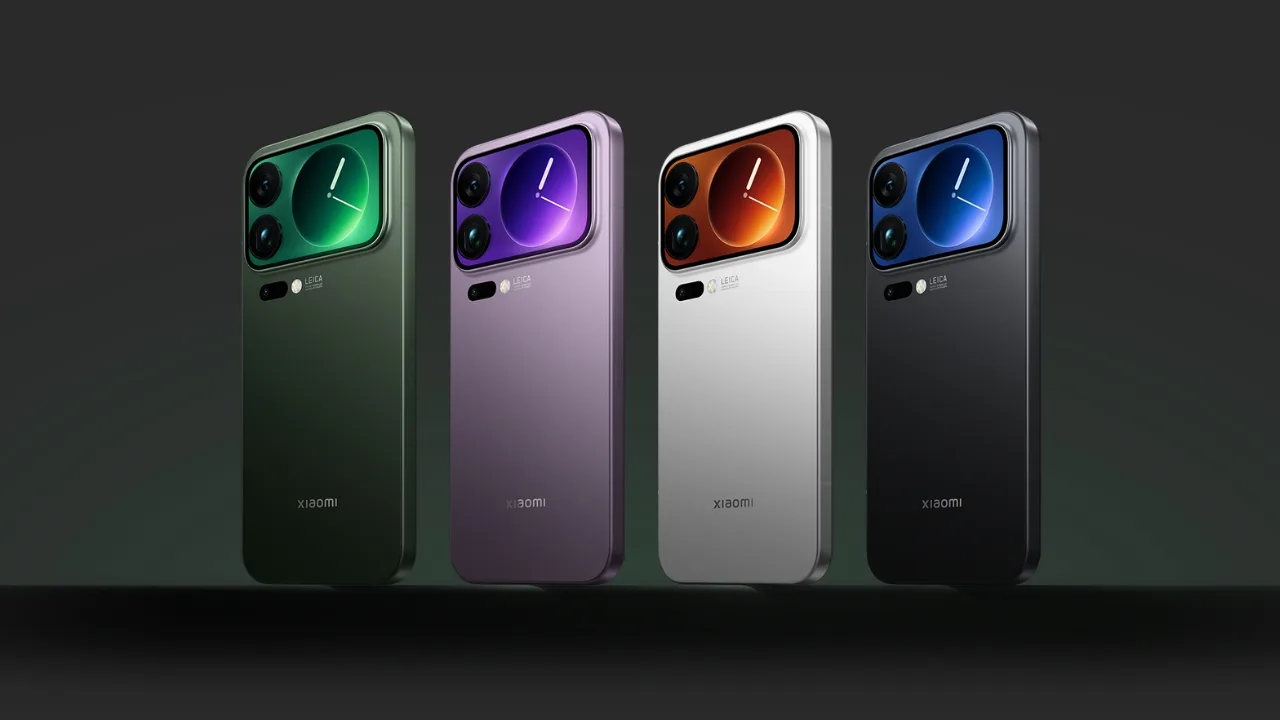
The phones are available in Black, White, Cool Smoke Purple, and Forest Green. Global availability and pricing are expected to follow later this year.
Xiaomi 17 Pro Max Specifications
Here are the Key specifications of the Xiaomi 17 Pro Max:
| Item | Specs |
|---|---|
| Size/Weight | 162.9 × 77.6 × 8.0 mm, 219 g |
| Main Display | 6.9″ AMOLED, 2608×1200, 1–120Hz, 300Hz touch, 3500 nits peak, 12-bit, P3, Dolby Vision, HDR10+, HDR Vivid, Dragon Crystal Glass 3.0 |
| Rear Display | 2.9″ AMOLED, 976×596, 120Hz, 3500 nits peak, Dragon Crystal Glass |
| Rear Screen Perks | Glance cards (rides, deliveries, flights), Sticky Notes via XiaoAI Circle & Paste, photo-booth mode, rear-camera selfies, dynamic Panda wallpaper, remote car control (via Xiaomi Auto app) |
| Video | Rear: 8K@30fps, 4K@30/60/120fps, 1080p@30/60fps, slow-motion 1080p@960fps / 720p@1920fps; Front: 50MP, AF, 4K@30/60fps |
| Battery/Charging | 7500mAh, 100W wired, 50W wireless, 22.5W reverse (wired/wireless), Surge P3 + G2 chips, ~1.74 days endurance (lab) |
| Cameras (rear) | 50MP Main (Light & Shadow Hunter 950L, f/1.67, OIS, LOFIC HDR) + 50MP 5× Periscope (1/2″ sensor, OIS, 30cm tele-macro) + 50MP Ultra-Wide (102°, AF, 5cm macro) |
| Processor | Snapdragon 8 Ultimate Edition, 3nm, Oryon CPU up to 4.6GHz, Adreno GPU, Qualcomm AI Engine |
| Memory/Storage | 12GB / 16GB LPDDR5X, 512GB / 1TB UFS 4.1 |
| Cooling | Ring-shaped vapor chamber, 5,533 mm² heat spreader, +54% thermal conductivity |
| Audio | Stereo speakers, Dolby Atmos, Hi-Res, Spatial Audio, 4-MIC array |
| Connectivity | 5G (wide global bands incl. n71), Wi-Fi 7, Bluetooth 5.4, NFC, UWB, USB-C (USB 3.2 Gen1), Dual-SIM |
| Durability | IP68 dust/water resistance (6m, 30min), Dragon Crystal Glass 3.0 |
| Sensors | Proximity, ambient light (front/rear), accelerometer, gyroscope, compass, X-axis motor, IR blaster, flicker sensor, laser AF, barometer, hall sensor |
| OS | Xiaomi HyperOS 3 (Super Island, XiaoAI Circle & Paste, Mi Enjoy Desktop) |
| Colors | Black, White, Cool Smoke Purple, Forest Green |